Need A Pump Fast? Shop Our Same-Day Shipping Pumps. SHOP NOW >


PSG® Markets
Pumps for Semi-conductor Manufacturing
Semi-conductor manufacturing depends on ultra-clean, leak-resistant fluid handling for some of the most aggressive and high-purity chemistries used in modern industry. From bulk chemical delivery and point-of-use distribution to abrasive slurry handling and wastewater by-products, many fabs rely on seal-less pump technologies that can minimize leak risk and reduce particle generation.
Contributors
This page was developed with input from PSG® subject-matter experts who support chemical-transfer, high-purity and abrasive-service applications. The technical guidance reflects selection and reliability considerations informed by those interviews and aligned with PSG® semiconductor resources.
Semiconductor production includes multiple stages where pumping and metering support throughput and quality. PSG® notes that semiconductor operations often require equipment for water circulation, acid injection, abrasive slurries, chemical transfer and handling waste by-products. See PSG’s® semiconductor market overview for portfolio context across pumping and flow control.
In practice, semiconductor pumping is defined by three constraints that show up repeatedly across fab systems:
Purity (particle control)
Containment (leak prevention for toxic and regulated fluids)
Consistency (repeatable flow without process disruption).
Even in well-designed systems, the chemistry can be so demanding that teams plan proactive replacement intervals and treat certain pumps as critical consumables rather than “install and forget” assets.
Why Semiconductor Fluids Are Uniquely Hard on Pumps
Fabs pump fluids that are both chemically aggressive and operationally unforgiving. Many of the liquids used in etching, cleaning and deposition support can be toxic, corrosive or highly regulated.
If a leak occurs, the result may be safety risk, environmental exposure or production downtime. For this reason, chemical-handling systems commonly prioritize seal-less designs, engineered plastics and fluoropolymers, and containment-minded maintenance practices.
Chemical compatibility is also highly condition-dependent. A material that survives a dilute cleaner at ambient temperature may degrade quickly when exposed to higher concentration, elevated temperature or repeated thermal cycling. That is why compatibility checks must consider chemical identity, concentration, temperature range and any secondary exposure from cleaning cycles.
Use compatibility resources as a baseline, then validate against your specific conditions. On the PSG® Store, you can check chemical compatibility directly through individual product pages, each listing includes material specs and compatibility details, or use the Pump Finder to filter by chemical and application requirements.
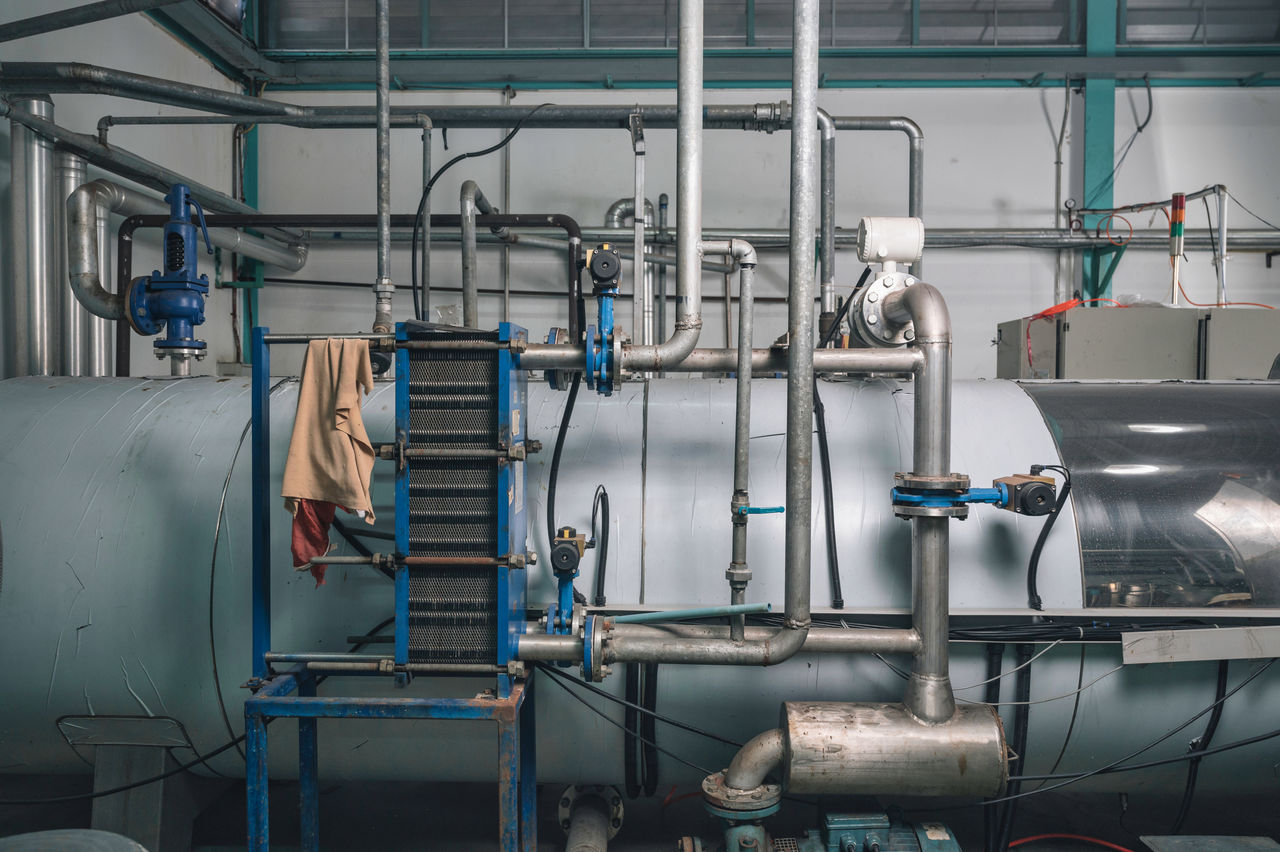
Common Fluids and Subsystems in Semi-conductor Manufacturing
Semiconductor plants move more than one “type” of fluid. Most fabs include multiple distribution and support systems, such as:
• High-purity chemical supply and point-of-use distribution (acids, bases, solvents, specialty chemistries).
• Abrasive slurry handling in polishing-related steps (colloidal or particulate-laden slurries that can erode internal components).
• Waste by-products and neutralization/wastewater systems (often corrosive, sometimes abrasive, and frequently variable in composition).
• General utility fluids and cleaning chemistries that expose pumps to additional compatibility demands over time.
High-Purity, Metal-Free AODD Pumps for Chemical Supply
For pure chemical supply and cleanroom-compatible installations, semiconductor facilities often evaluate high-purity AODD designs built to minimize particle generation and leakage risk.
Almatec® highlights semiconductor-focused solutions such as the FUTUR Series, positioned for chemical supply and circulation in semiconductor operations.
For a broader overview of Almatec’s semiconductor approach, see Fluid Handling Pumps for Semiconductor Use or Reliable Solutions for Semiconductor Manufacturing (PDF Source).
In real-world fab environments, pump selection often includes redundancy for critical chemical cabinets, standardized preventive maintenance plans and strict material controls. The goal is not only to move fluid, but to do so without adding particles, introducing contamination or creating leak risk.
Plastic AODD Pumps for Chemical Transfer, Waste Streams and Support Duty
Beyond the most specialized high-purity cabinets, many semiconductor facilities also use rugged plastic AODD pumps for transfer, recirculation, waste handling and maintenance tasks. All-Flo™ highlights AODD solutions for this market here: All-Flo™ Semiconductor applications.
AODD pumps are seal-less by design and can be configured in materials selected for compatibility and containment.
Abrasive Slurry and “Glass-Line” Service: Managing Wear
Abrasive service is common in semiconductor-adjacent manufacturing (including solar and glass-related processes) and in slurry handling where fine particles can erode manifolds, valve seats and internal flow paths.
In these applications, teams often look beyond “diaphragm life” and focus on where velocity and abrasion are actually removing material, especially at valve-seat zones and manifold neck-down regions.
Material strategy matters here: abrasion-resistant plastics (often PVDF/Kynar®-type materials) and diaphragm designs that reduce trap zones can extend service life in harsh duty. Wilden’s® Chem-Fuse™ IPD diaphragm design is one example of an integral-piston style diaphragm intended to reduce common wear modes.

Key Selection Factors for Semi-conductor Pumping Systems
Because semiconductor applications are highly varied, selection should begin with process constraints and then narrow to technology and materials. Key factors that typically decide the final pump configuration include:
• Purity requirements and contamination sensitivity (particle generation, cleanability, and material certification expectations).
• Leak and containment requirements (fluid hazard profile, facility safety policies, and any regulatory constraints).
• Chemical compatibility for every wetted component (housings, manifolds, diaphragms, valves, seats, O-rings).
• Abrasive content or crystallization risk that can accelerate wear and erode internals.
• Temperature and concentration ranges, including any exposure to cleaning or neutralization chemistries.
• Duty cycle and flow consistency needs (continuous versus intermittent transfer, and whether pulsation control is required).
Maintenance and Reliability Planning
In semiconductor environments, proactive maintenance is often the difference between stable production and recurring disruptions. Compatibility-driven wear can be slow and cumulative, so teams benefit from early-warning checks and standardized spares.
For a practical troubleshooting reference on compatibility-driven failure, see 5 Signs Chemical Compatibility Is Slowly Destroying Your Pump.
For critical fluids, many operations standardize on proven configurations and establish replacement intervals based on chemistry severity and historical wear. This is common when the process involves highly toxic or difficult-to-handle chemicals where “best possible” still includes routine replacement. Standardizing wet-end kits and documented rebuild procedures helps reduce downtime and improve safety in maintenance events.
Flow Control and Cross-Contamination Considerations
Some semiconductor subsystems also place a heavy emphasis on precise flow control and cross-contamination prevention, especially in slurry/chemical delivery. For an example of PSG® content in this area, see Malema’s cross-contamination white paper (PDF Source) related to semiconductor liquid handling.
Finding the Right Pump and Parts
If you need help selecting a pump or replacement parts for a semiconductor application, you can contact the PSG® Store team.
Browse pumps and parts by brand: Shop Wilden® and Shop All-Flo™.
Contributors
Piyush Kapoor
Rotating equipment specialist with cross-technology experience who has supported harsh, high-risk applications including semiconductor-related chemical handling. Kapoor emphasizes application severity, containment risk and the reality that some ultra-aggressive chemistries require planned replacement intervals.
Steve Cox
Regional pump leader with field experience in semiconductor-adjacent and solar/glass manufacturing systems where abrasive media can erode pump internals. Cox focuses on how material selection (abrasion-resistant plastics) and diaphragm/valve design influence life in abrasive slurry and waste streams.
Frequently Asked Questions About Semi-Conductor Manufacturing Pumps
Because many semiconductor chemicals are hazardous, regulated and contamination sensitive. Seal-less designs reduce reliance on rotating mechanical seals, which are a common leak point in chemical service. They also support containment-minded maintenance in systems where leaks can create safety, environmental and downtime risks.
High-purity AODD pumps are widely used because they can be configured with metal-free, chemical-resistant wetted materials and can operate safely under intermittent, cabinet-based duty cycles. Selection depends on purity expectations, chemical compatibility, temperature and process constraints.
In abrasive service, wear is often concentrated where velocity is highest and where solids repeatedly impact internal surfaces, commonly at manifolds, valve-seat zones and flow restrictions. Material choice and diaphragm/valve design can help reduce these wear modes and extend service life.
Confirm compatibility for every wetted component using a compatibility guide as a baseline, then validate it against your chemical identity, concentration and temperature range. Include cleaning and neutralization exposures, since they can drive failure even if the primary process fluid is compatible.
Not always. Some semiconductor fluids are so aggressive or toxic that even the best practical pump choice may have a shorter expected life. Many fabs plan for proactive replacement and maintain spares to avoid unplanned downtime in critical chemical systems.

3005 Highland Parkway
Suite 110
Downers Grove, IL 60515


© 2026 PSG Dover All Rights Reserved