Need A Pump Fast? Shop Our Same-Day Shipping Pumps. SHOP NOW >


5 Signs Chemical Compatibility Is Slowly Destroying Your Pump
Feb 1, 2026
Chemical compatibility failures rarely happen all at once. Pumps are usually destroyed gradually through elastomer degradation, surface attack and loss of sealing integrity, with early warning signs appearing long before catastrophic failure.
Contributors
This blog was developed using expert insights from PSG® subject matter experts with extensive experience troubleshooting chemical pump failures across industrial processing, chemical transfer, terminals and wastewater systems.
Chemical compatibility issues are some of the most expensive pump failures because they are slow, cumulative and frequently misdiagnosed. Unlike cavitation or mechanical breakage, chemical attack does not usually cause immediate loss of operation. Pumps often continue running while internal materials quietly degrade.
Maintenance teams may replace seals, diaphragms or valves repeatedly without addressing the underlying compatibility problem.
Over time, failure intervals shorten, leakage increases and unplanned downtime becomes routine. By the time the issue is recognized as a chemical attack, significant damage has already occurred.
The key to preventing these failures is recognizing the early warning signs before the pump reaches an unrecoverable state.
Sign 1: Elastomer Swelling, Softening or Shrinkage
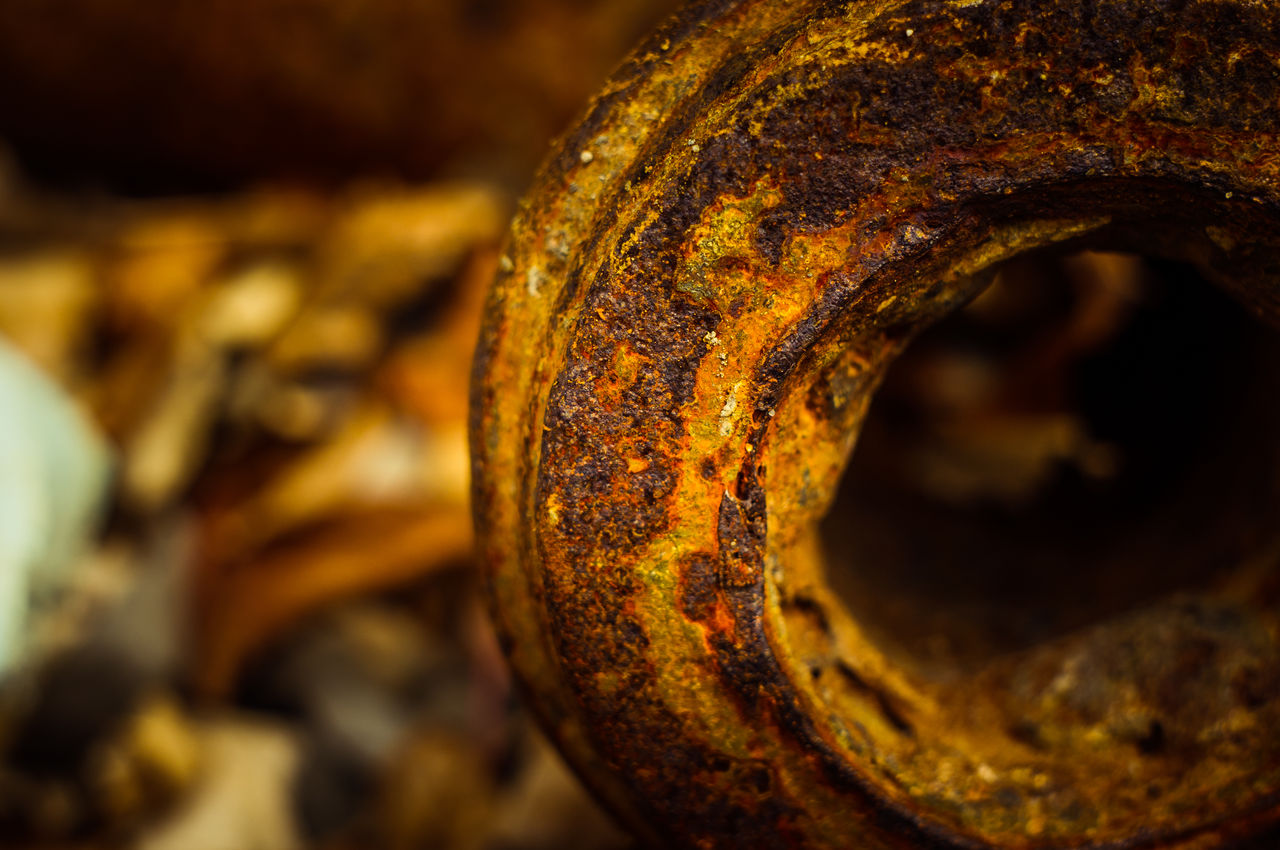
Elastomers are often the first components to show chemical incompatibility. Exposure to aggressive chemicals can cause diaphragms, O-rings and valve seats to swell, soften or shrink.
Swelling reduces dimensional stability, causing sealing surfaces to distort and valves to stick. Softening accelerates wear and tear, while shrinkage creates leak paths and loss of compression. These changes may be subtle at first but progressively worsen with continued exposure.
Air-operated double diaphragm (AODD) pumps from manufacturers such as Wilden® and All-Flo™ rely on elastomers as primary containment elements.
The correct selection of diaphragm and valve materials is therefore critical. A material that appears compatible in short-term testing may fail after prolonged exposure at elevated temperatures.
Sign 2: Unexplained Leaks That Reappear After Repair
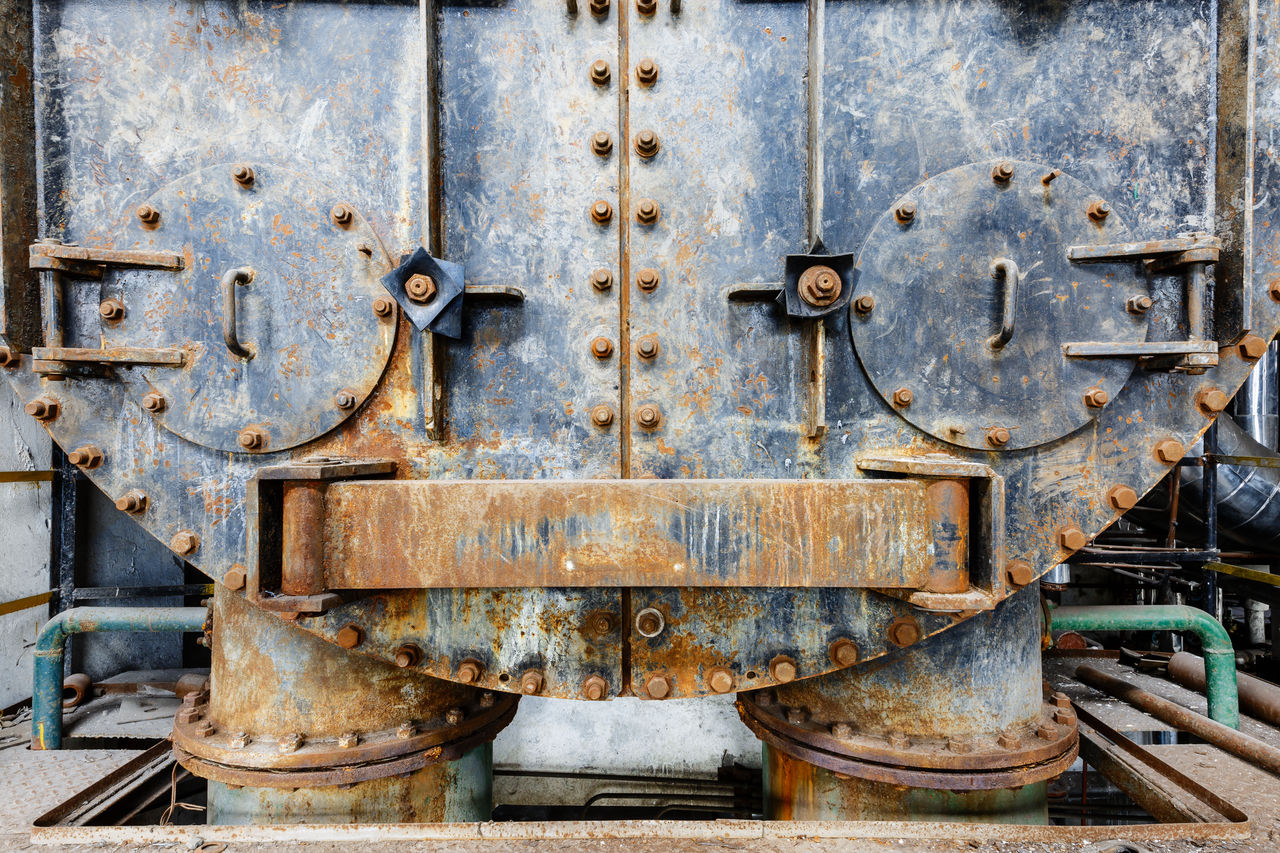
Recurring leaks are a common indicator of a chemical attack. When seals or diaphragms are replaced and leaks return quickly, compatibility should be questioned.
A chemical attack can damage not only the sealing element but also adjacent surfaces. Swollen elastomers may extrude under pressure. Corroded metal surfaces may no longer provide proper sealing, even with new components installed.
In centrifugal pumps, including designs from manufacturers such as Griswold®, mechanical seal failure is often blamed on installation or alignment. In chemically aggressive service, however, seal materials may be deteriorating faster than expected due to fluid exposure rather than mechanical issues alone.
Sign 3: Loss of Performance Without Obvious Mechanical Damage
Chemical compatibility failures frequently manifest as gradual performance loss rather than sudden breakdown. Flow rate may decrease, pressure capability may drop or the pump may require more frequent adjustment to maintain output.
In positive displacement pumps, chemical attack increases internal leakage as clearances open or sealing surfaces degrade. In diaphragm pumps, softened diaphragms flex excessively and lose efficiency. These changes are often mistaken for normal wear rather than chemical degradation.
Sliding vane pumps, such as those from Blackmer®, can experience accelerated vane wear or loss of sealing efficiency when exposed to incompatible chemicals, even if solids and operating conditions appear unchanged.
Chemical incompatibility often dampens elastomers, seals and diaphragms long before visible leaks appear. Replacing degraded components with genuine parts restores material integrity, maintains containment and helps prevent recurring compatibility failures. Explore available replacement options to match your pump materials to your actual fluid chemistry.
Sign 4: Accelerated Wear of Components That Should Last Longer
Every pump has expected wear intervals based on application history. When components fail significantly earlier than expected, chemical compatibility should be investigated.
Diaphragms that tear prematurely, valve balls that pit or seals that harden rapidly are common indicators. These failures often occur even when operating pressures, speeds and temperatures are within specification.
Compatibility charts are useful starting points, but they may not account for continuous exposure, concentration changes or temperature excursions. What works in intermittent service may fail quickly in continuous chemical transfer.
Sign 5: Increasing Maintenance Frequency with No Process Changes
One of the clearest indicators of chemical compatibility issues is rising maintenance demand without corresponding changes in process conditions.
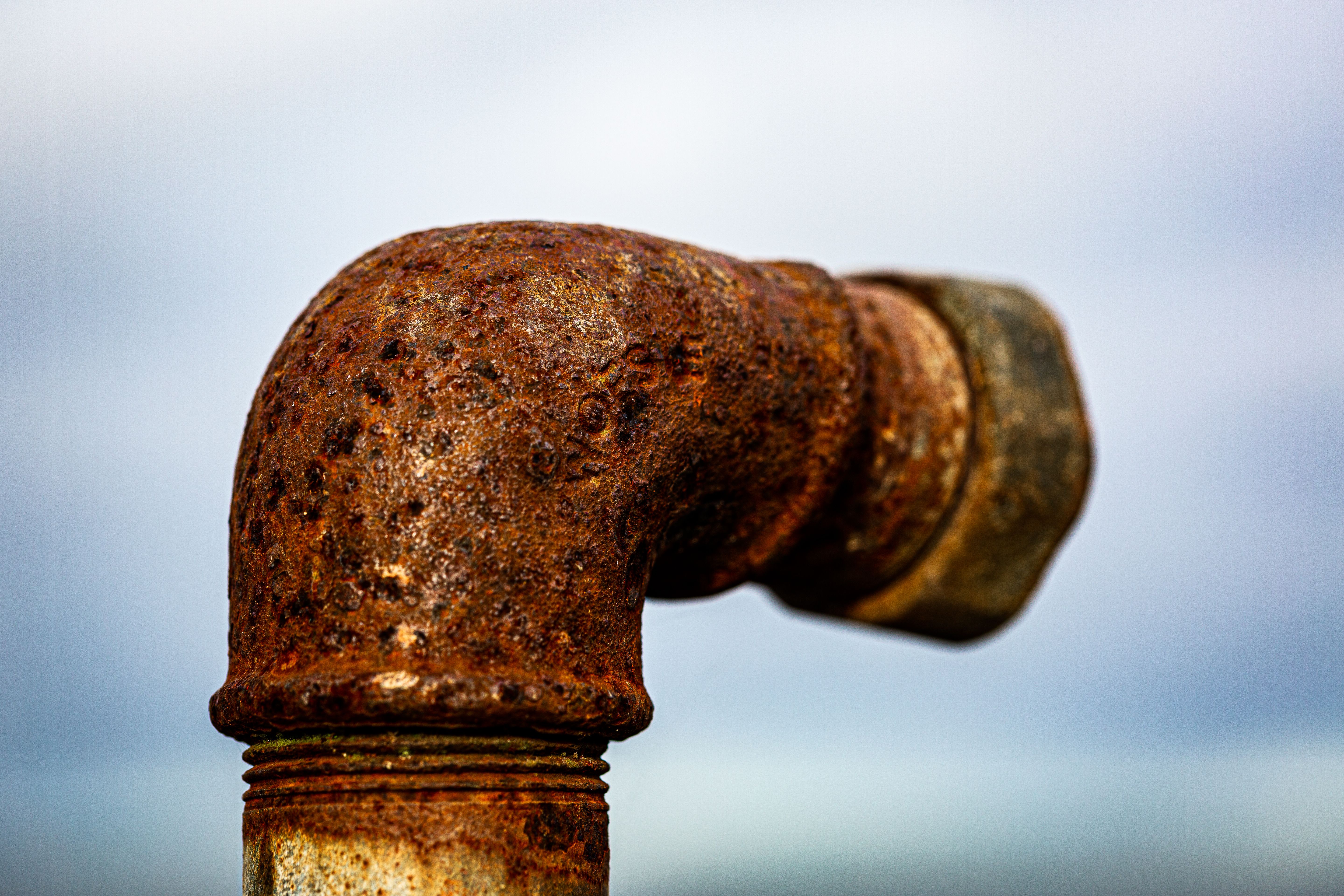
When pumps require more frequent rebuilds despite stable flow rates, pressures and operating schedules, chemical attack is often the root cause. Maintenance teams may normalize frequent intervention without realizing the chemical environment has slowly exceeded material limits.
At this stage, replacing components alone rarely solves the problem. Material upgrades or changes to pump technology are usually required to restore reliability.
Why Compatibility Charts Are Only a Starting Point
Compatibility charts typically reflect short-term exposure under controlled laboratory conditions. Real systems operate continuously, at varying temperatures and with chemical mixtures rather than pure substances.
A material rated as "good" at ambient temperature may degrade rapidly when continuously exposed to elevated temperatures. Additives, contaminants and cleaning agents further complicate compatibility assumptions.
Effective material selection assumes worst-case exposure and builds a margin accordingly rather than relying on minimum compatibility ratings.
How to Check Pump Compatibility and Find the Right Replacement Components
Long-term reliability depends on matching pump materials to actual fluid chemistry and operating conditions.
On the PSG® Store, every pump product detail page includes a built-in chemical compatibility tool that lets you select a specific chemical and instantly view compatibility ratings for both wetted-path and diaphragm materials. This allows you to evaluate how different material configurations perform against real process fluids rather than relying solely on generalized compatibility charts.
In addition to compatibility ratings, product pages also display available wet-end material options and replacement kits, allowing you to directly identify diaphragm materials, valve components and sealing configurations suited for your pump.
Evaluating chemical compatibility directly at the product and component levels helps prevent recurring material-driven failures and improves long-term pump reliability.
Designing Chemical Systems for Predictable Failure Instead of Surprise
The goal of chemical pump selection is not to eliminate wear entirely but to ensure it occurs predictably and safely.
AODD pump technology is often selected because wear is isolated to serviceable components, and failure modes are contained. Seal-less positive-displacement designs reduce leakage risk when containment is critical. Centrifugal pumps remain appropriate for lower-risk services when conservative material selection and stable chemistry are used.
Designing systems around material reality rather than theoretical compatibility prevents slow, expensive failures.
Chemical compatibility issues are rarely solved through trial and error. Repeated component replacement increases downtime and cost without addressing the root cause.
Application specialists evaluate chemistry, exposure time, temperature and duty cycle together to recommend materials and pump technologies that match long-term conditions. Engaging support early prevents chronic failures and extends equipment life. Technical assistance is available through the contact us page.
Contributors
Rob Jack
Rob Jack is a technical authority on air-operated double diaphragm (AODD) pumps, with decades of experience diagnosing chemical-compatibility failures. His expertise includes elastomer selection, diaphragm wear analysis and system-level troubleshooting in chemical service.
Jeff Peterson
Jeff Peterson specializes in positive displacement and seal-less pump technologies for chemical transfer. His background includes hazardous chemical handling, containment-focused design and long-term reliability improvement.
Steve Cox
Steve Cox brings broad industrial experience across diaphragm, vane and centrifugal pumps, with a focus on identifying slow-developing failure modes and improving lifecycle performance in chemically aggressive environments.

3005 Highland Parkway
Suite 110
Downers Grove, IL 60515


© 2026 PSG Dover All Rights Reserved