Need A Pump Fast? Shop Our Same-Day Shipping Pumps. SHOP NOW >


What Do Abrasive Slurries Do to Pumps?
Jan 30, 2026
Abrasive solids rarely cause immediate pump failure. Instead, they slowly erode clearances, disrupt sealing surfaces and change hydraulic behavior, leading to efficiency loss, cavitation, leakage and unpredictable breakdown long before components visibly fail.
Contributors
This blog was developed using expert insights from PSG® subject matter experts with extensive experience diagnosing abrasion-driven pump failures across wastewater, produced water, chemical processing and terminal operations.
When abrasive solids enter a pumping system, most people imagine catastrophic damage occurring quickly. In reality, abrasion is usually a slow, cumulative process that quietly reshapes the internal pump geometry.
Rather than breaking components outright, solids gradually wear down surfaces that control flow, pressure and sealing. As clearances open and profiles change, pumps lose efficiency, experience unstable operation and become increasingly sensitive to suction conditions.
By the time failure becomes obvious, performance has often been declining for months.
Understanding how abrasion actually degrades pumps is critical to designing systems that survive solids exposure.
Abrasion Changes Pump Geometry Before It Causes Breakage
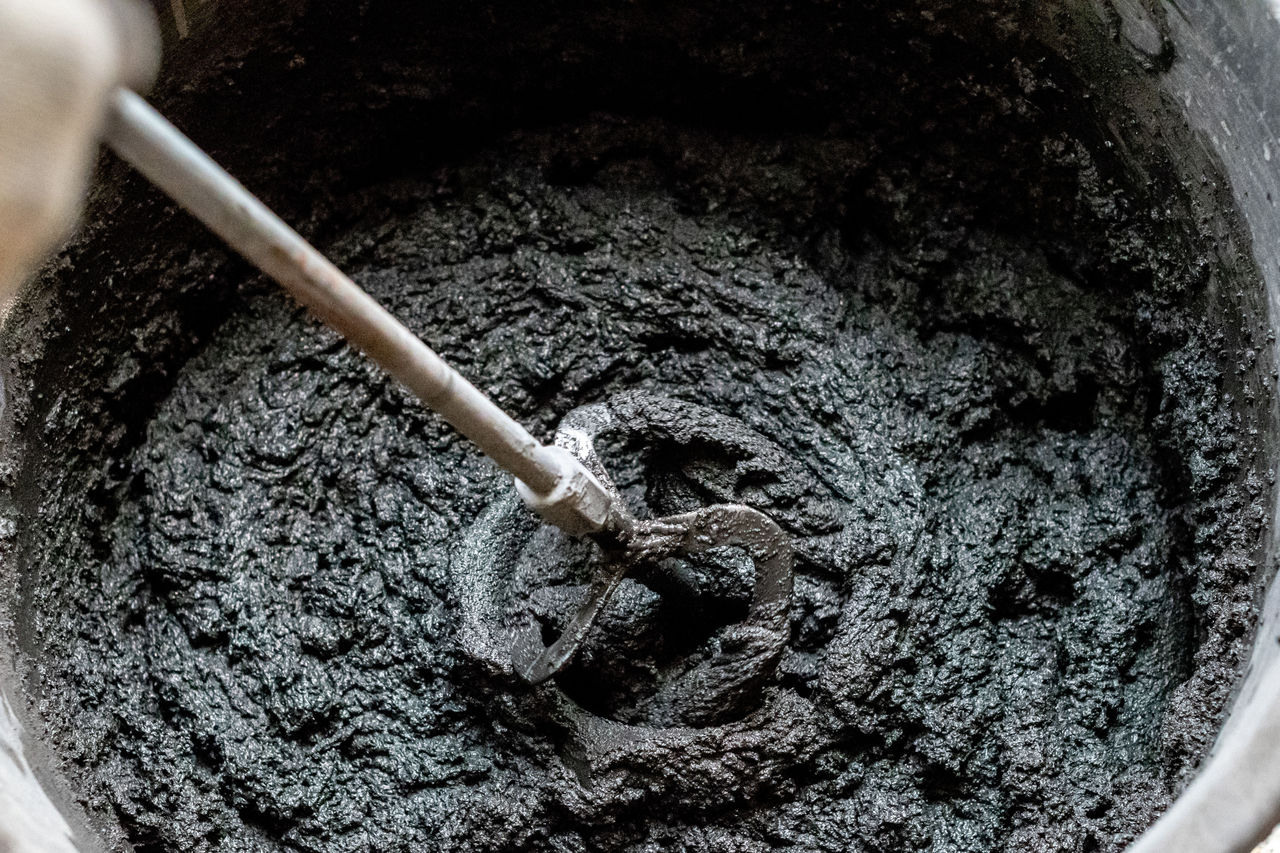
Abrasive particles act like continuous micro-grinding media inside the pump. Every pass removes small amounts of material from impellers, liners, vanes, valve seats and sealing surfaces.
In centrifugal pumps, erosion increases internal recirculation as wear rings and impeller edges become less sharp. Flow drops while vibration and cavitation susceptibility increase.
In positive displacement pumps, abrasion enlarges internal leakage paths. Sliding vane pumps, such as those from Blackmer®, experience vane tip and liner wear that gradually reduces sealing efficiency and volumetric output.
Air-operated double diaphragm (AODD) pumps isolate abrasion to valve components and diaphragms. Pumps from Wilden® and All-Flo™ often maintain longer service life in abrasive service because wear occurs in replaceable wet-end components rather than in tight internal clearances.
The pump does not suddenly fail. It slowly becomes a different pump than the one originally installed.
Why Performance Loss Comes Before Mechanical Failure
As abrasion progresses, the first symptom is almost always reduced performance, not broken parts.
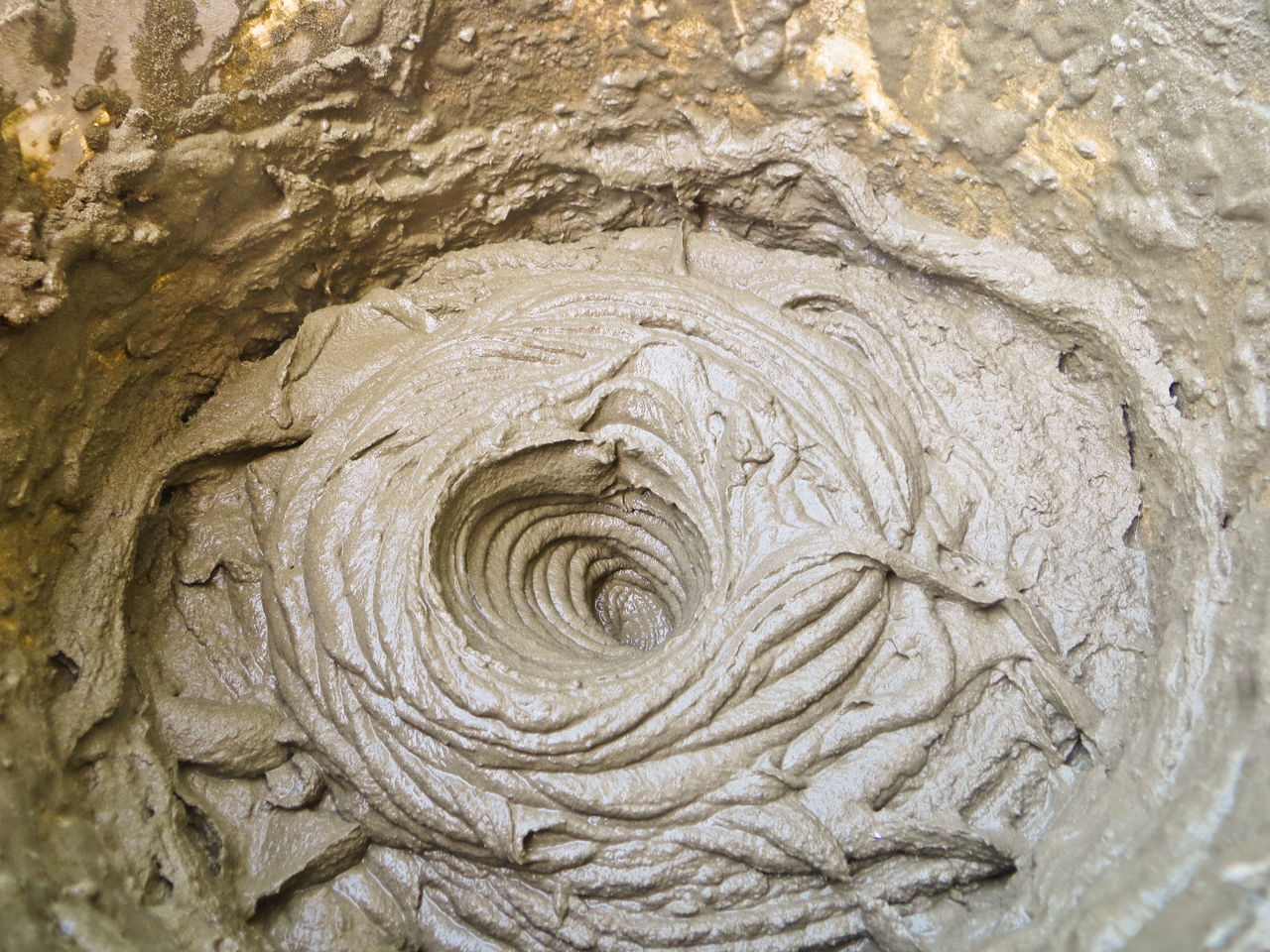
Clearance growth allows fluid to slip backward inside the pump. This lowers the delivered flow and pressure while increasing internal turbulence. In centrifugal pumps, the reduced hydraulic efficiency also raises operating temperature and increases cavitation risk.
Operators may respond by increasing speed, opening valves or running pumps longer to compensate. These adjustments often accelerate wear rather than solve the underlying issue.
By the time components crack or seize, the pump has already spent a significant portion of its life operating in a degraded state.
Solids' Shape Matters More Than Concentration
A common misconception is that only high solids concentration causes damage. In reality, particle hardness and shape often matter more than volume percentage.
Sharp, angular particles such as sand, scale and crystallized salts cut into surfaces far more aggressively than rounded or soft solids. Even low concentrations of hard particles can cause rapid erosion over time.
This is why produced water, mining slurry, wastewater grit and crystallizing chemical streams are particularly destructive despite sometimes appearing visually dilute.
Abrasive slurries gradually erode sealing surfaces, valve components and internal clearances long before visible damage occurs. Replacing worn parts with genuine components restores original performance, controls wear progression and helps prevent unexpected pump failures in abrasive service.
How Abrasion Interacts with Cavitation and Corrosion
Abrasion rarely acts alone. Worn surfaces disrupt flow patterns, increasing turbulence and lowering local pressure. This promotes vapor formation and cavitation, which further damages metal surfaces.
At the same time, erosion removes protective oxide layers and coatings, accelerating corrosion in chemically aggressive environments.
The combined effect is a compounding failure mechanism where abrasion enables cavitation and corrosion, and each accelerates the other.
Matching Pump Technology to Abrasive Reality
No pump is immune to abrasion, but different technologies degrade in different ways.
Centrifugal pumps, including designs from manufacturers such as Griswold®, can handle high flow rates with solids when constructed with abrasion-resistant materials and conservative operating margins. However, efficiency loss accelerates as clearances wear.
Sliding vane pumps provide consistent flow but require solids control to limit vane and liner wear.
AODD pump technology from Wilden® and All-Flo™ are frequently used where solids content is unpredictable, as wear is confined to serviceable components, and the pumps tolerate air ingestion and intermittent operation.
Selecting the right pump is less about eliminating wear than about controlling where and how it occurs.
Designing Systems for Predictable Wear Instead of Surprise Failure
Systems that survive abrasive service accept that wear will happen and plan for it.
Effective designs reduce unnecessary velocity at the pump inlet, minimize sharp turns in suction piping and avoid forcing solids through tight restrictions. Pumps are selected so that critical wear components can be easily inspected and replaced.
Monitoring performance trends rather than waiting for failure allows maintenance teams to intervene before damage becomes catastrophic.
Abrasion-related failures are often misattributed to pump quality rather than fluid behavior and system design.
Application specialists evaluate solids characteristics, flow velocity, suction layout and wear history to recommend pump technologies and materials that effectively manage abrasion. Engaging support early improves uptime and lowers total lifecycle cost. Technical assistance is available through the contact us page.
Contributors
Steve Cox
Steve Cox has extensive experience diagnosing abrasion-driven pump failures across water, wastewater and industrial applications. His expertise focuses on wear behavior, material selection and lifecycle reliability.
Doug Cumpston
Doug Cumpston brings deep field experience in produced water and abrasive fluid handling systems. His background includes the performance of centrifugal and positive displacement pumps under high-solids conditions.
Marco Bensley
Marco Bensley works directly with industrial and energy customers on abrasive pumping applications. His perspective emphasizes practical system design and predictable maintenance strategies.

3005 Highland Parkway
Suite 110
Downers Grove, IL 60515


© 2026 PSG Dover All Rights Reserved