


Explore Brewing, Wine and Distilling AODD Pumps
PSG® Markets
Pumps for Brewing, Wine, and Distilling Systems
Brewing, wine-making and distilling processes rely on pumps that protect product quality while supporting hygienic operation. Across mash transfer, filtration support, tank-to-tank moves and packaging steps, sanitary air-operated double-diaphragm (AODD) pumps are commonly used because they handle delicate, shear-sensitive fluids gently, can be configured with food-contact-safe materials and support cleanability expectations in food and beverage facilities.
Contributors
This page was developed with input from PSG® subject-matter experts who support food-and-beverage and hygienic pumping applications. The technical guidance reflects practical selection, cleaning and maintenance considerations informed by those interviews.
Many types of markets share a common challenge: the process fluid is often part of the final product experience. Aroma, taste, appearance and mouthfeel can be affected by how the product is handled, especially in steps where agitation, aeration or excessive shear can change physical properties. At the same time, facilities must maintain hygienic practices to reduce contamination risk and support repeatable cleaning between batches.
While each facility’s process differs, many operations include a combination of:
- Transferring raw or intermediate product between totes, barrels and tanks
- Handling solids or particulates at certain steps (grain, fruit solids, yeast, etc.)
- Supporting filtration or clarification operations
- Carrying out cleaning and sanitizing cycles that require chemical compatibility and cleanable flow paths
Why Gentle Product Handling Matters
In beverage production, handling is not just about moving fluid, it can impact product quality. Over-agitation or excessive shear can alter a fluid’s physical properties, and aeration can affect taste and aroma.
In wineries, for example, pump selection and operating practice often focus on moving product without introducing excess oxygen. Similar concerns show up in distilling steps when producers want to protect flavor and consistency.
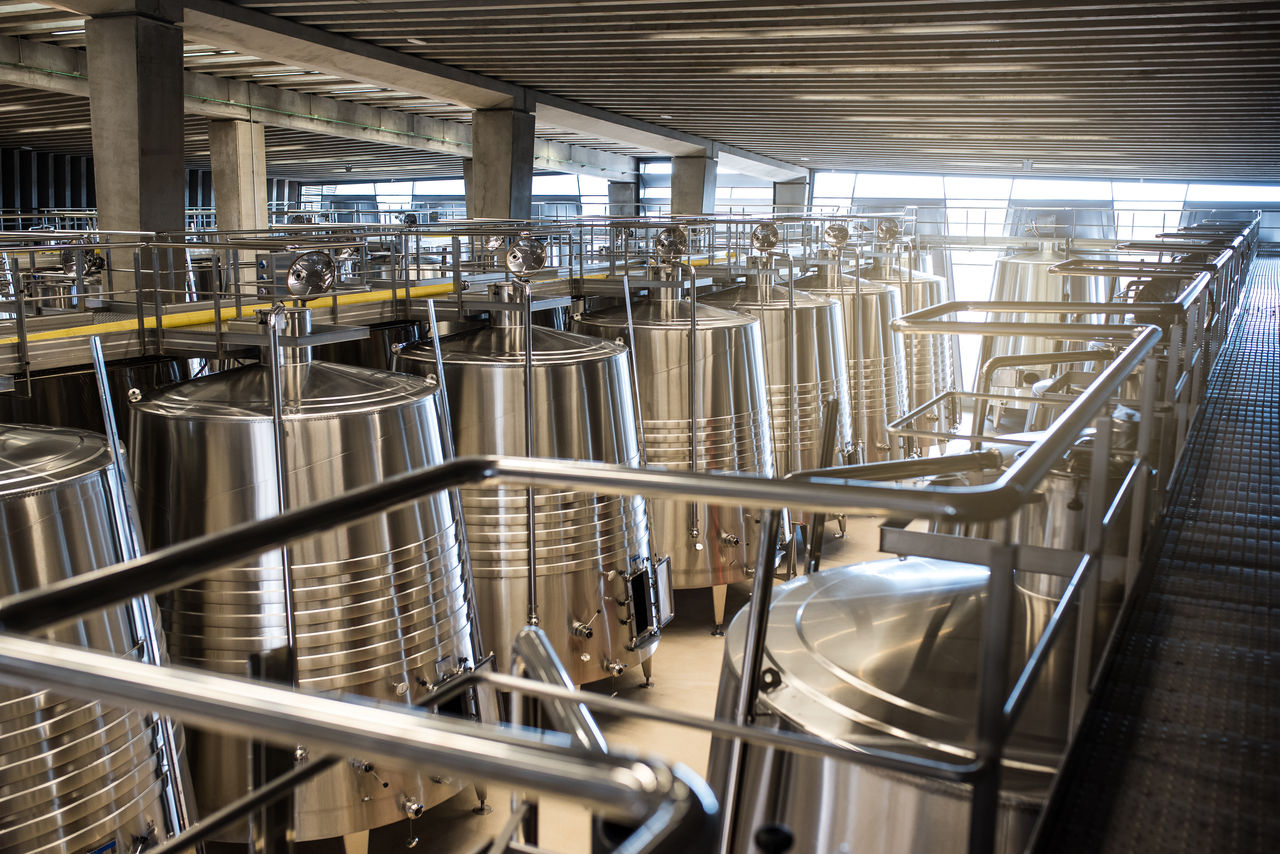
Hygienic Design and Sanitation Requirements
Food and beverage environments typically require validated, food-contact-safe materials and designs that support cleaning. Hygienic designs prioritize smooth surfaces and drainable flow paths to minimize “trap zones,” where residue can build up.
If residue cannot be flushed out, it can create contamination risk from batch to batch. Depending on the process and risk profile, systems may be cleaned manually (clean-out-of-place, COP) or cleaned without disassembly (clean-in-place, CIP).
Fluids Commonly Handled in Brewing, Wine, and Distilling
Brewing systems may pump water, wort, beer, yeast-containing fluids and cleaning solutions.
Wineries may handle juice, must, wine and processing aids, with transfers between tanks and barrels throughout production.
Distilling operations often include mash or wash transfer steps and may handle high-proof ethanol and cleaning fluids, making chemical compatibility and safe operating practices essential.
Across all three markets, cleaning and sanitation chemicals are a routine part of the operation. Materials and elastomers should be selected with both the process fluid and the cleaning chemistry in mind, especially when CIP is used at elevated temperatures.
Sanitary AODD Pumps for Transfer, Recirculation, and Process Support
Sanitary AODD pumps are widely used in beverage production when configured with appropriate materials and hygienic connections. Wilden® supports food-and-beverage applications with AODD pumps for food and beverage, including Saniflo™ Hygienic Series (HS) pumps (designed for high hygienic standards and CIP capability) and Saniflo™ FDA Series pumps (designed for standard food-grade transfer where HS hygienic design is not required).
In breweries and wineries, diaphragm pumps are often used for transfers where gentle handling helps reduce shear and limit air entrainment. AODD pumps are also common as flexible “utility” pumps, supporting tasks such as moving product between vessels, handling process aids and performing cleaning or flush transfers when materials are compatible.
All-Flo™ also supports alcoholic beverage production with market-specific configurations for beer and wine applications, where reliability and efficiency are important in daily plant operations.
For additional practical context on AODD pumping in wineries, see Wilden’s® “Vine to Wine” case study (PDF Source).
Eccentric Disc Pumps for Gentle, Pulse-Free Flow and Product Recovery
In some beverage and hygienic applications, operations evaluate eccentric disc technology when pulse-free flow, high suction capability and product recovery are priorities. PSG’s® Mouvex® hygienic and sanitary solutions focus on cleanability, containment and CIP/SIP capability in hygienic processing environments.
For compact hygienic transfer needs, Mouvex® Micro-C Series pumps are positioned for hygienic markets where space is limited. For yield-focused operations, Mouvex® also offers guidance on product recovery and waste minimization strategies.
Key Pump Selection Factors for Brewing, Wine and Distilling
Selection should start with the process step and sanitation expectation. If CIP is required, prioritize pumps designed for drainability, cleanable internal geometry and validated food-contact materials. If COP/manual cleaning is acceptable, prioritize quick disassembly and serviceability.
From there, focus on the fluid characteristics and the quality outcomes you need to protect. In beverage production, shear sensitivity and aeration risk are common concerns. Solids content (grain, fruit solids, yeast), temperature, viscosity, and any dissolved gas (especially where foaming can occur) should be considered. Ensure compatibility with cleaning chemistry and confirm that connections and elastomers match the facility’s hygienic standard.
Maintenance, Cleaning and Downtime Prevention
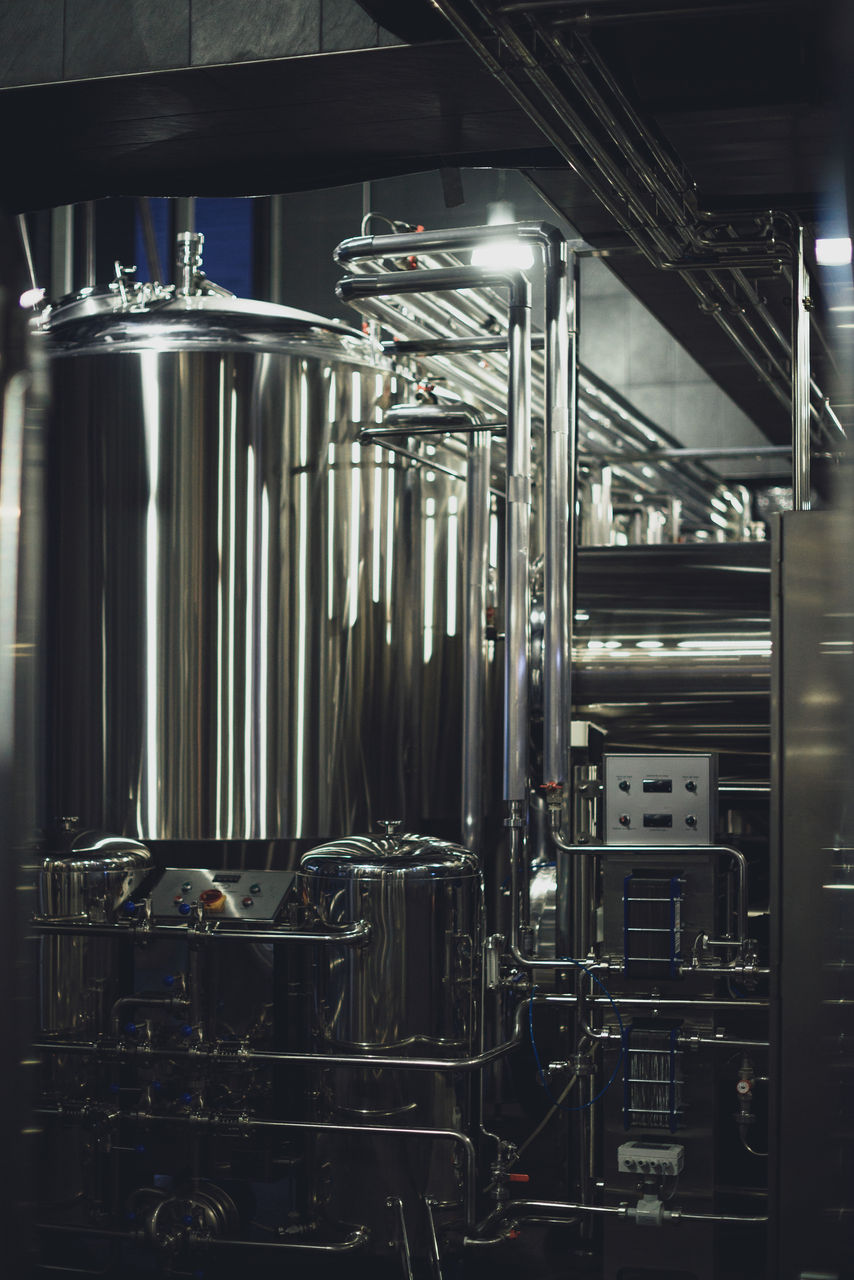
In batch-driven beverage facilities, maintenance often has to fit within narrow production and sanitation windows. Teams commonly standardize on pump platforms that are easy to service and keep genuine parts available to minimize downtime.
For diaphragm pumps, diaphragms and valve components are typical wear items, and proper air supply practices help maintain consistent performance.
Operational practices also matter. Avoiding unnecessary agitation, confirming suction conditions and keeping cleaning routines consistent help reduce performance issues and protect product quality. When pumps are used in cleaning service, validate compatibility with the cleaning solution and any temperature exposure to avoid premature elastomer wear.
Finding the Right Pump and Parts
To narrow options quickly, use the Pump Finder and then confirm materials and hygienic requirements. If you need help selecting a pump or replacement parts, you can contact the PSG® Store team.
Browse pumps and parts by brand: Shop Wilden® and Shop All-Flo™.
Contributors
Steve Cox
Regional leader supporting industrial and hygienic pumping applications. Cox brings practical insight into how sanitary materials and cleanable pump designs support food-and-beverage processes from mash handling through transfer and cleaning.
Marco Bensley
Applications-focused pump professional who emphasizes the fundamentals that drive correct selection (flow, viscosity and pressure) and the outsized impact of chemical compatibility in corrosive service, especially where acids can aggressively attack materials.
Explore Brewing, Wine and Distilling AODD Pumps
Frequently Asked Questions About Brewing, Wine and Distilling Pumps
Diaphragm pumps are often chosen because they can handle shear-sensitive fluids gently and can be configured with food-contact-safe materials and hygienic connections. They are also valued for practical maintenance in real plants, where quick serviceability and reliable priming matter.
Shear refers to forces that can pull a fluid apart as it moves through pumping elements. Some beverage products can change physical properties if they are over-agitated or sheared. That is why many producers favor gentle pumping methods and operating practices that minimize unnecessary agitation and help protect taste, aroma and consistency.
Yes, cleaning is essential, but pump design still matters. Hygienic designs reduce areas where residue can be trapped, making sanitation routines more effective and reducing batch-to-batch contamination risk.
Prioritize CIP capability when you need to clean the pump and lines without frequent disassembly, especially in high-cleanliness environments, frequent changeovers, or when sanitation windows are tightly scheduled. Validate that the pump’s materials, internal geometry and connections match the facility’s cleaning standard and chemistry.

3005 Highland Parkway
Suite 110
Downers Grove, IL 60515


© 2026 PSG Dover All Rights Reserved