


How to Verify Your Pump’s Chemical Compatibility
Apr 10, 2026
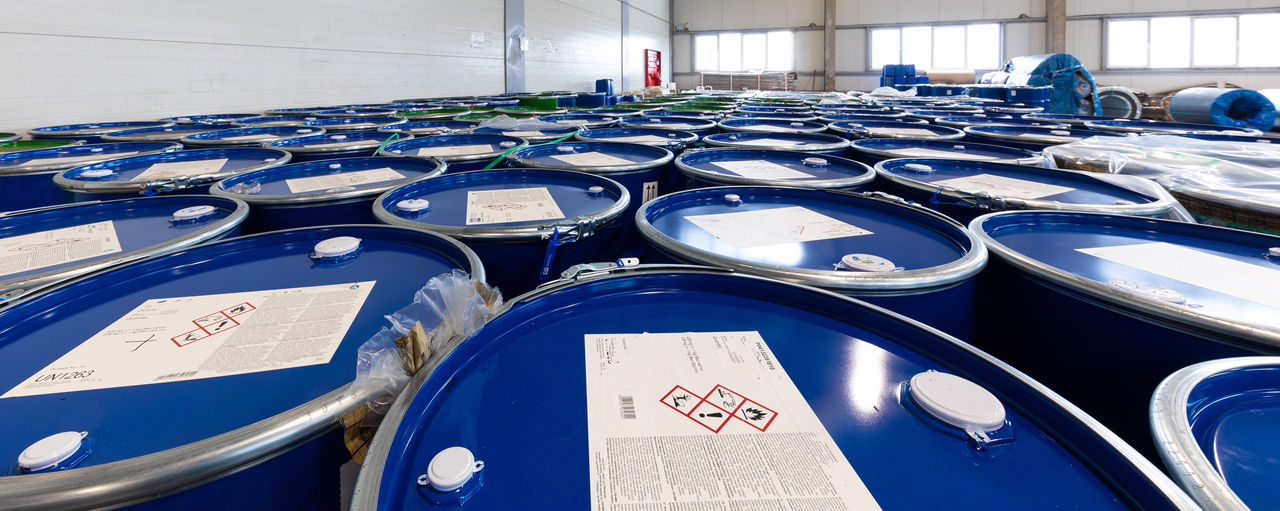
To verify chemical compatibility, you must match the exact process fluid (chemical identity, concentration, and temperature range) to the materials of every wetted component of the pump.
Contributors
This blog was developed using insights from PSG® subject-matter experts with extensive experience diagnosing chemical-compatibility failures and specifying pump materials for real-world industrial conditions.
Chemical compatibility problems rarely look dramatic at first. More often, materials degrade slowly, swelling, softening, shrinking, cracking or corroding over weeks and months, until the pump starts losing performance or failing repeatedly. Compatibility also changes with conditions. The same chemical can behave differently at higher concentration, higher temperature, or after repeated exposure during cleaning cycles.
One of the most common assumptions in the field is that “a pump can pump anything.” Some technologies (especially AODD pumps) are versatile, but their success still depends on using wetted materials that can survive the chemical at operating conditions.
Step 1: Define the Fluid Precisely (Not Just the Chemical Name)
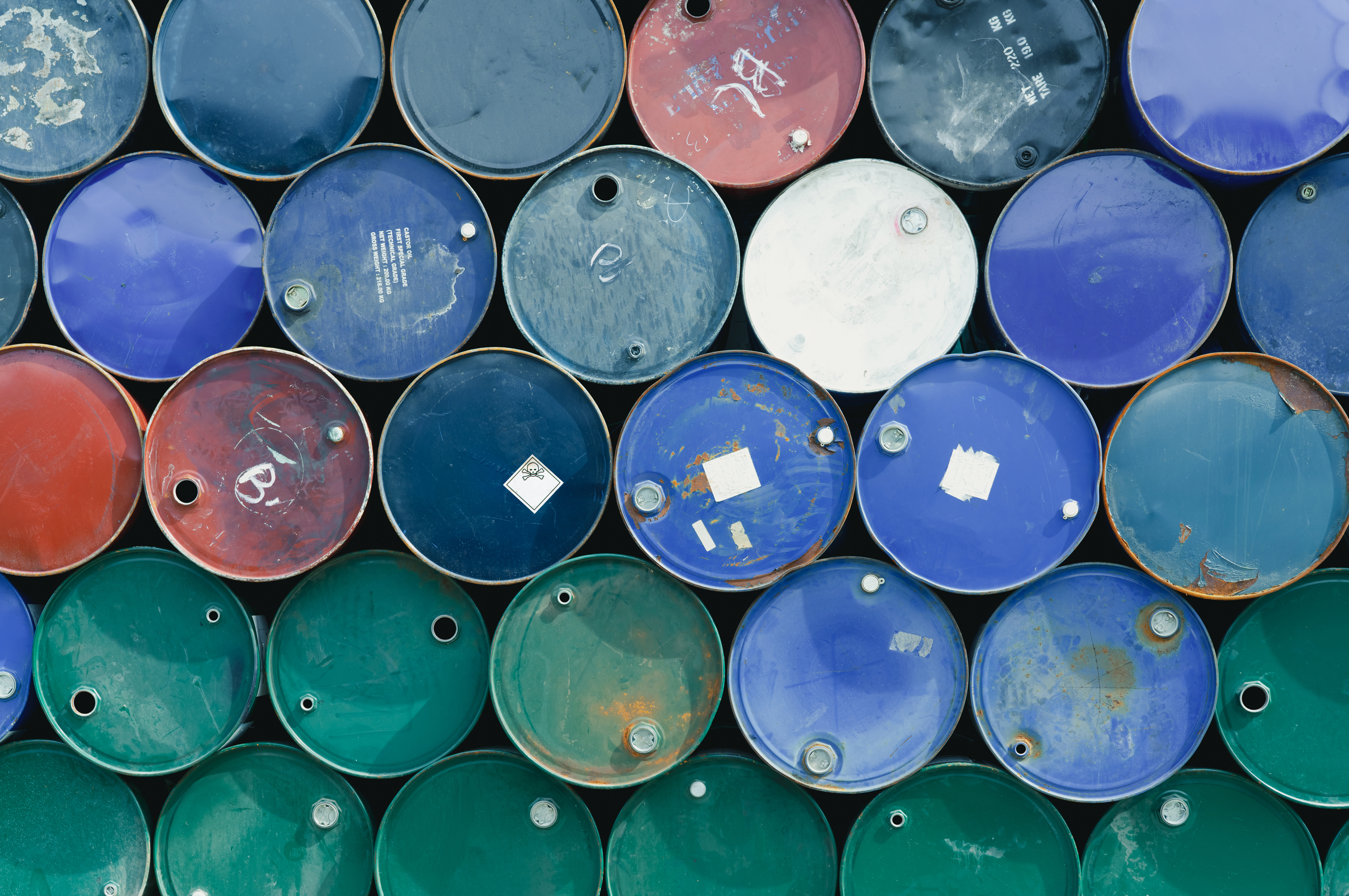
Start by defining the fluid as the pump will actually see it in the pipe. Compatibility can change quickly when the details change.
• Chemical identity (use the SDS and, when possible, the CAS number).
• Concentration (including seasonal or batch-to-batch changes).
• Temperature range (startup, steady-state, upset events and cleaning/CIP temperature).
• Contaminants or blended additives (even small percentages can change compatibility).
• Exposure pattern: continuous circulation vs. intermittent transfer vs. short “batch” contact time.
If you are pumping a blend or a “chemical cocktail,” avoid assuming individual compatibility ratings automatically apply. Mixed chemicals can behave differently than the individual components.
Step 2: Identify Every Wetted Component (Only Wetted Parts Matter)
Compatibility should be checked for every part that touches the fluid, these are the “wetted parts.” Hardware on the outside of the pump generally does not matter if it never contacts the process fluid.
For an AODD pump, wetted parts typically include: the liquid chambers, manifolds, diaphragms, valve balls and seats, and all O-rings or sealing gaskets. For other pump types, include the casing, impeller/rotor, shaft sleeves, mechanical seal faces and elastomers, and any internal wear plates or bushings that contact the fluid.
Step 3: Use Compatibility Guides the Right Way (A/B/C/D Isn’t Optional)
Compatibility charts are the baseline tool that most application engineers use because it’s unrealistic to memorize every chemical/material combination. Start by looking up the chemical and reviewing the ratings for each material you’re considering. For example, you can view chemical compatibility on every PSG® Store product page.
Most charts use a rating scale similar to:
A (most compatible),
B (minor effect),
C (severe effect / avoid when possible)
D (not compatible / do not use)
Treat “Unknown” or missing ratings as a reason to slow down and confirm with a specialist.
Chemical attack on incompatible materials often starts subtly, softening elastomers, corroding metal surfaces, and weakening diaphragms before visible failure occurs. Replacing compromised components with genuine parts ensures you're using the exact materials and formulations engineered for your pump's design tolerances. Substitutes may appear similar but can differ in compound makeup, leading to accelerated degradation and repeat failures. Find the right materials for your application on our genuine parts page.
Step 4: Apply Temperature Correctly (It’s the Most Common “Hidden” Variable)
Temperature affects compatibility in two ways: it changes how aggressive the chemical is, and it changes the physical behavior of elastomers and plastics. Also, temperature isn’t only the ambient environment, the fluid temperature and the heat generated during operation both matter.
Many materials have temperature limits. When temperatures are high, teams commonly rule out materials like polypropylene and shift to PVDF/Kynar®-type plastics or metals, depending on the chemistry. If cleaning cycles introduce hotter temperatures than normal operation, the cleaning temperature should drive the material selection.
Step 5: Don’t Ignore Concentration, Duty Cycle and “Time in Contact”
Compatibility ratings often assume a reference condition. In real systems, the same material may survive a short transfer but fail in continuous exposure. Use a worst-case mindset and validate these factors:
• Concentration changes: dilution, evaporation, or mixing can make a chemical more aggressive.
• Exposure time: continuous duty is harder on materials than intermittent transfer.
• Pressure and pump speed: higher stress can accelerate wear and leakage paths.
• Particle concentration/abrasives: can erode seats and manifolds and create secondary sealing failures.
• Cleaning chemicals: a compatible process fluid won’t help if the CIP/flush chemistry attacks elastomers.
Step 6: Verify the Pump You Already Have (Field Evidence Beats Guesswork)
If you’re troubleshooting repeated failures, inspect the old parts. Compatibility problems often leave clues, swollen diaphragms, softened valve seats, sticky surfaces, cracking, brittleness, corrosion or pitting. Those clues can help confirm that the failure mode is chemical attack rather than “bad parts.” For a practical list of early warning signs, see 5 Signs Chemical Compatibility Is Slowly Destroying Your Pump.
If the pump consistently fails after a temperature change (hotter process conditions, summer operation, or hot cleaning cycles), treat temperature as a primary suspect. The fastest reliability fix is often a material change, not another rebuild with the same wetted parts.
Step 7: Watch Out for “Chemical Cocktails” and In-Pump Mixing
Compatibility checks become more complicated when multiple chemicals are blended. Some chemical combinations can react inside the pump, generating heat or hazardous by-products. Wilden® specifically advises caution for blending without prior compatibility review in chemical service. See: pumps for chemical process applications.
What to Do When Compatibility Is Uncertain
If you don’t have confident ratings for your chemical at your operating temperature and concentration, don’t guess. Choose a conservative approach:
• Select materials with margin (avoid borderline “C” ratings in critical wetted parts).
• Use higher-resistance elastomers or PTFE options when appropriate for the chemistry.
• Standardize on proven configurations for repeat chemicals to reduce repeat failures and spare-part confusion.
• Consult an applications specialist, especially for hazardous, regulated or high-value fluids.
In many industrial applications, reliability upgrades can also come from diaphragm design choices. Wilden® Chem-Fuse™ Integral Piston Diaphragms (IPD) are designed to reduce common wear and leak-path risks, but they do not replace compatibility selection.
A Simple Compatibility Verification Checklist
Use this checklist before you approve a pump (or approve replacement wetted parts):
• Confirm chemical identity + concentration (SDS/CAS number when possible).
• Define the full temperature envelope (process + ambient + cleaning/CIP).
• List every wetted component and its material (including elastomers).
• Look up each wetted material in a compatibility guide and record the rating (A/B/C/D/Unknown).
• Reject any configuration with a C/D/Unknown rating in a critical wetted component.
• Confirm whether abrasives/solids, pressure, or long exposure time will tighten the compatibility margin.
• If the fluid is a blend, treat it as a new chemical problem, do not assume individual ratings apply.
• Document the selected materials and stock the right spares for rebuild intervals.
How This Connects to Pump Selection
Many chemical services prioritize seal-less designs and material flexibility. AODD pumps are a common fit for chemical transfer because they are seal-less by design and can be configured with multiple wetted-material options. If you want a refresher on how AODD pumps work, see the AODD technology overview.
For additional application context, see: All-Flo™ chemical process applications and Wilden® chemical process applications.
Next Steps: Get Help Verifying Compatibility
To narrow pump options quickly, use the Pump Finder and then confirm wetted materials with a specialist. If you need help interpreting compatibility ratings or selecting a material set, contact the PSG® Store team.
Contributors
Doug Cumpston
Doug Cumpston supports industrial pumping applications where fluid conditions vary and chemical compatibility is often the leading cause of failures. He emphasizes asking the right application questions, fluid identity, temperature, vapor behavior and duty cycle, to prevent repeat failures.
Steve Cox
Steve Cox has decades of experience across multiple pump technologies and industries. His background includes application guidance built around fundamentals such as fluid type, viscosity, abrasiveness, temperature, flow rate and pressure, inputs that also determine whether a material set is truly compatible in practice.

3005 Highland Parkway
Suite 110
Downers Grove, IL 60515


© 2026 PSG Dover All Rights Reserved