What can we help you find?

Just answer a few questions, and our Product Finder will guide you to the right solution!

  • Products

      What can we help you find?

      Just answer a few questions, and our Product Finder will guide you to the right solution!

  • Parts

      What can we help you find?

      Just answer a few questions, and our Product Finder will guide you to the right solution!

  • Resources

      What can we help you find?

      Just answer a few questions, and our Product Finder will guide you to the right solution!

  • Support

      What can we help you find?

      Just answer a few questions, and our Product Finder will guide you to the right solution!

Item: SGLD3
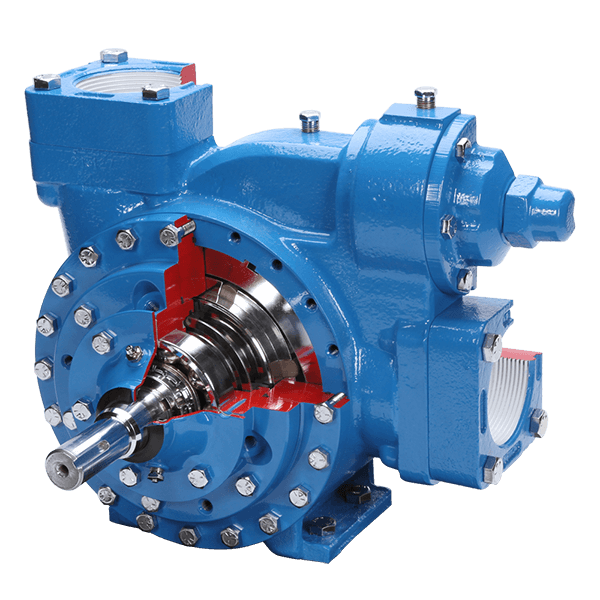
Description: SGLD3 sliding vane pump, for liquefied gas transfer applications.
SGLD3-product image
ImageSetByPath

SGLD3, Vane Pump, Double Ended, Base Mount, Ductile Iron, 133 GPM

Item: SGLD3
Description: SGLD3 sliding vane pump, for liquefied gas transfer applications.
  • Inlet Size: 3
  • Model: SGLD3
  • Discharge Size: 3
  • Max Operating Pressure: 525.0
  • Max Flow Rate (GPM): 133.0
Attributes for item SGLD3
Shipping Weight (lbs):
165
TOTAL-LEAD-TIME:
Show All Attributes
Show Fewer Attributes
Recommended Products
Spare Parts for item SGLD3
Downloads for item SGLD3
Item Overview for Blackmer SGLD3
The Blackmer SGLD3 is a vane pump built with the SGLD3, Vane Pump, Double Ended, Base Mount, Ductile Iron, 133 GPM configuration at the center of its role in industrial equipment maintenance and replacement. It occupies a defined role within compatible Blackmer equipment, with the available configuration wording guiding accurate identification and fit review. The vane pump is positioned for industrial equipment maintenance and replacement needs where accurate component matching matters during specification, scheduled service, and repair planning. The specific configuration gives technicians, engineers, distributors, and buyers a practical basis for reviewing compatibility with existing Blackmer equipment. Careful matching against the intended equipment remains important because the available information identifies the product without extending beyond documented characteristics. The resulting product profile is technically restrained, readable, and relevant to professionals responsible for equipment reliability, service preparation, and parts management.