


Explore Paints and Coatings AODD Pumps
Need A Pump Fast? Shop Our Same-Day Shipping Pumps. SHOP NOW >
PSG® Markets
Paint & Coatings Pumps for High‑Viscosity and Low‑Shear Transfer
Producing paints and coatings requires pumps that can keep pace with demanding formulas for abrasive pigments, thick resins, fast-moving solvents and batches that leave no room for contamination.
Fluid‑Handling Challenges in Paint & Coatings Production
Paints, coatings, inks, resins and epoxies present some of the most demanding fluid‑handling challenges in industrial production. These materials combine high viscosity, abrasive pigments and aggressive solvents, which accelerate wear, disrupt flow consistency and compromise batch quality when the wrong pump technology is used.
This page focuses on material transfer and circulation pumps for paints and coatings production. It does not cover spray, application or dispensing equipment.
High‑Viscosity Paint & Coating Transfer
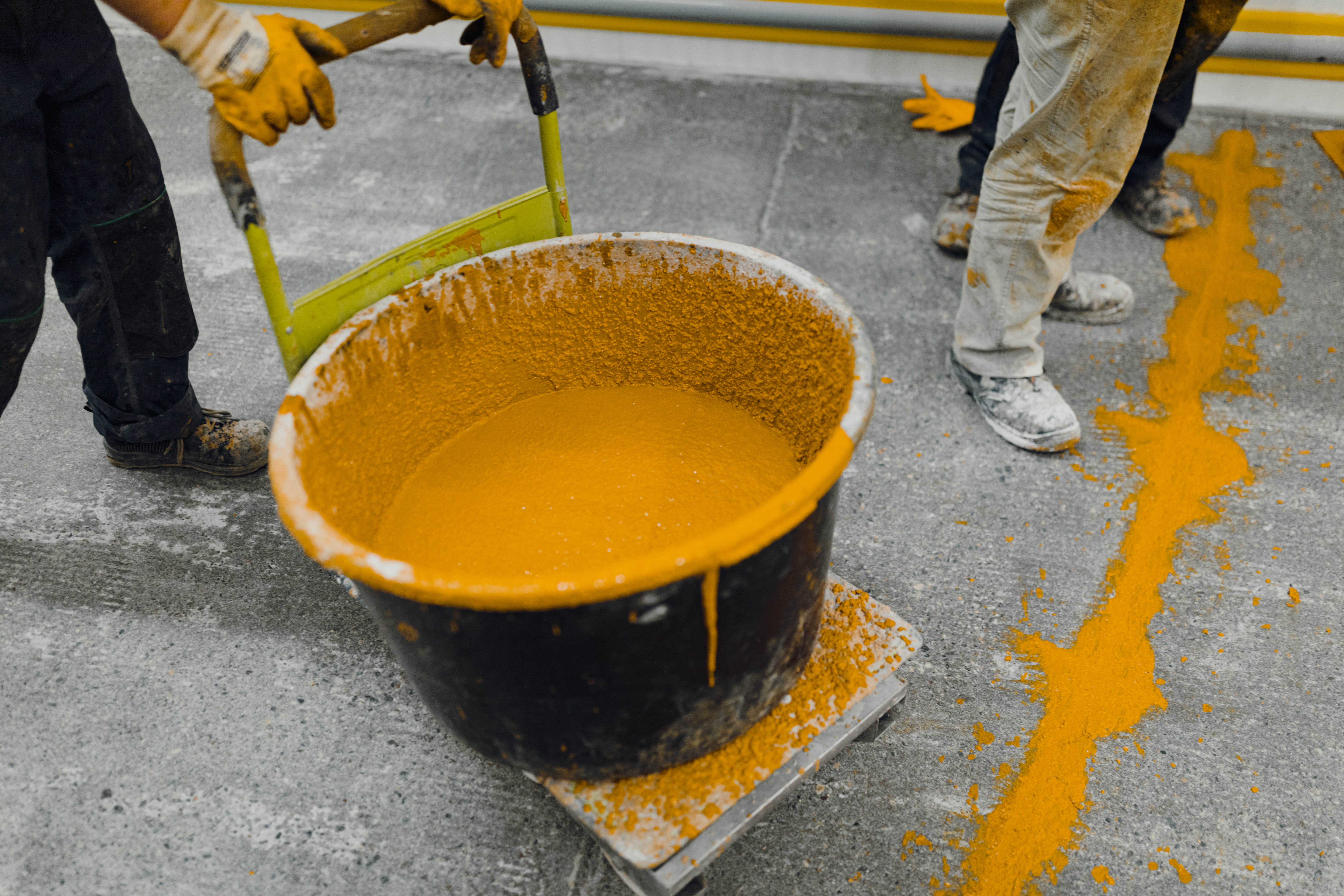
Paint and coatings production differs from many other AODD pump markets in that fluids actively attack pump components. High‑solids bases strain pumps, while abrasive pigments erode wetted parts and restrictive flow paths.
Paint and coatings transfer pumps must reliably handle:
Abrasive pigments such as titanium dioxide (TiO₂) and iron oxides
High‑viscosity and high‑solids base coatings
Additives and modifiers that clog narrow passages
Without abrasion‑resistant materials and proper configuration, pumps stall, wear prematurely and introduce batch inconsistency.
Low‑Shear Pumping for Sensitive Coatings and Pigments
Maintaining color accuracy and batch consistency requires low‑shear pumping. Excessive shear damages pigments, destabilizes emulsions and negatively affects opacity and tint precision.
Wear and color contamination are persistent risks. Diaphragm degradation can alter pigment distribution, and even minor failures can ruin an entire batch.
AODD pumps from Wilden® and All‑Flo™ are designed for abrasive, pigment‑heavy coatings environments using materials that resist long‑term wear while maintaining consistent, gentle flow.
In one documented case, Dunn‑Edwards Paints significantly reduced TiO₂‑related diaphragm failures after switching to Wilden® Chem‑Fuse™ diaphragms, which are engineered for abrasive pigments and aggressive chemistries.
Resin & Epoxy Handling in Coatings Applications
Resins, binders and epoxies used in coatings often exhibit variable viscosity, shear sensitivity and chemical aggressiveness. These materials require pumps capable of stable flow and rapid cleaning during formulation changes.
Properly configured paint and coatings pumps must:
Maintain steady flow during batch mixing and circulation
Handle aggressive solvents without elastomer damage
Support fast flushing and product changeovers
Configured AODD pumps allow manufacturers to transition between resin‑ and solvent‑based coatings with minimal downtime while maintaining batch integrity.
Ink Transfer and Circulation
Ink and pigment‑rich fluids used upstream in coatings production require reliable transfer and circulation to prevent pigment settling and contamination. Consistent flow stabilizes pigment distribution before application and simplifies color changes.
These applications emphasize handling and circulation, not dispensing heads, and benefit from pumps designed for controlled, low‑shear operation with fast clean‑out.

Configured for Real Coatings Production
Coating teams need pumps that can reliably handle solvents, resins and abrasive pigments that make these products. That’s why recommended configurations emphasize bolted aluminum construction paired with abrasion-resistant diaphragms capable of withstanding repeated exposure to TiO₂ and high-solids formulations. These materials not only resist wear but also help maintain consistent flow needed for tint accuracy and batch uniformity.
Using standardized rebuild kits and genuine parts can simplify maintenance for teams that balance multiple product lines with frequent changeovers. Together, these design choices reduce downtime, extend pump life and support the demanding production schedules common in modern paint and coatings facilities.
Proven Pumping Performance for Paints, Coatings and Chemical Transfer
Many manufacturers have published measurable improvements after transitioning to PSG® technology.
One Wilden case study on Mastering the Art of Paint Production highlights how paint manufacturing is often slowed by inconsistent flow and pigment setting. By implementing pumps designed specifically for coating materials, manufacturers achieved more stable flow during dispersion and mixing, improving batch consistency and reducing rework.
Another case study on TiO₂ demonstrates how titanium dioxide’s extreme abrasiveness accelerates wear on pumps not built for heavy pigment handling. Facilities that switched to abrasion-resistant diaphragms and optimized material experienced longer service life, fewer diaphragm failures and more consistent pigment feed. This stability helped maintain opacity, color accuracy and batch uniformity.
Explore Paints and Coatings AODD Pumps
Frequently Asked Questions About AODD Paints and Coatings Pumping
Paint and coatings plants move fluids with extreme abrasion, solvent aggression and color sensitivity. Pumps for this industry are explicitly selected for their ability to withstand TiO₂, maintain color purity and support rapid changeovers between formulations.
Pigments, especially titanium dioxide and iron oxides, act like fine sandpaper on internal components. Resins and fillers increase viscosity and shear-thinning, while solvents raise compatibility concerns. Pumps must be built around these specific wear patterns.
They offer the right balance of chemical compatibility and abrasion resistance for paints and coatings. PTFE handles aggressive solvents; Wil-Flex (Santoprene®) performs well with water-borne systems and abrasive slurries.
Consistent flow reduces pigment setting, and leak-free diaphragms prevent contamination that could alter opacity, gloss or color matches. The pump’s material choices and internal geometry directly influence batch consistency.
Yes, with the correct diaphragm changes and material selections. Many paint plants use pumps that share internal piston components, allowing the diaphragm to be swapped quickly between runs.

3005 Highland Parkway
Suite 110
Downers Grove, IL 60515


© 2026 PSG Dover All Rights Reserved