


What Should You Stock for Fast AODD Maintenance?
Apr 10, 2026
If you want fast AODD maintenance, stock the parts that fail first and stop production: a wet kit (diaphragms + check valves), a complete air-valve/air-kit (for the ADS), and the small consumables that prevent a “simple rebuild” from turning into downtime (O-rings, gaskets, fasteners, and exhaust components).
Contributors
This blog was developed using insights from PSG® subject-matter experts who support AODD pump troubleshooting and reliability across chemical, industrial, and hygienic applications. The checklist below reflects the parts that most commonly restore performance in the field.
AODD pumps are often chosen because they’re easy to service. But the only way that’s true in practice is if the right parts are already on the shelf. In many facilities, downtime isn’t caused by “hard repairs”, it’s caused by waiting for the right diaphragm, valve seat, or air kit.
The Three Spare Categories That Prevent Downtime
For fastest maintenance response, stock spares in three tiers: wet-end wear parts, air-side shift parts, and install/repair consumables.
1) Wet-End Wear Parts (Your #1 Downtime Driver)
Most AODD performance issues trace back to the wet end: diaphragms and check valves (balls + seats) wear, deform, or get damaged by debris. If you stock only one thing, stock these.
• Diaphragms (the primary wear component).
• Check balls and valve seats (or flappers, depending on design).
• O-rings, gaskets, and seals for manifolds and liquid chambers.
• Center-section seals (if applicable to your model) and any liquid-end fastener kits required for reassembly.
• A complete “wet kit” / liquid-end repair kit for each pump model (best for rapid turnaround).
2) Air-Side Parts (When the Pump Stalls, Won’t Shift, or Cycles Erratically)
If the wet end looks fine but the pump won’t shift, stalls under load, or cycles inconsistently, the issue is often in the air distribution system (ADS) or air valve components. Keeping a complete air kit on the shelf can turn a multi-day troubleshooting event into a fast repair.
• Air valve / ADS repair kit (spool, seals, gaskets, springs, whatever matches your pump family).
• Pilot components (if the design uses pilot valves/modules).
• Muffler/exhaust components (clogged mufflers and icing can stop cycling).
• Air filter/regulator elements (dirty air is a repeat failure accelerator).
For repair guidance when symptoms point to the air side, start with manufacturer troubleshooting resources such as Wilden® troubleshooting and the All-Flo™ support hub (All-Flo™ Support).
3) Install & Repair Consumables (The “Small Stuff” That Stops a Rebuild)
A rebuild can be delayed by missing small items. Stock these consumables so technicians aren’t forced to reuse questionable seals or hardware:
• Extra O-rings/gaskets for the most common models (especially manifold seals).
• Fasteners and clamp bands (or spare clamp hardware, depending on the pump construction).
• Thread sealant/PTFE tape compatible with your process (where appropriate).
• Spare suction/discharge hose gaskets (tri-clamp, flanges, etc.).
• Strainer screens (debris control prevents repeated valve-seat issues).
A Fast AODD Spare Kit Template (What to Stock Per Pump Family)
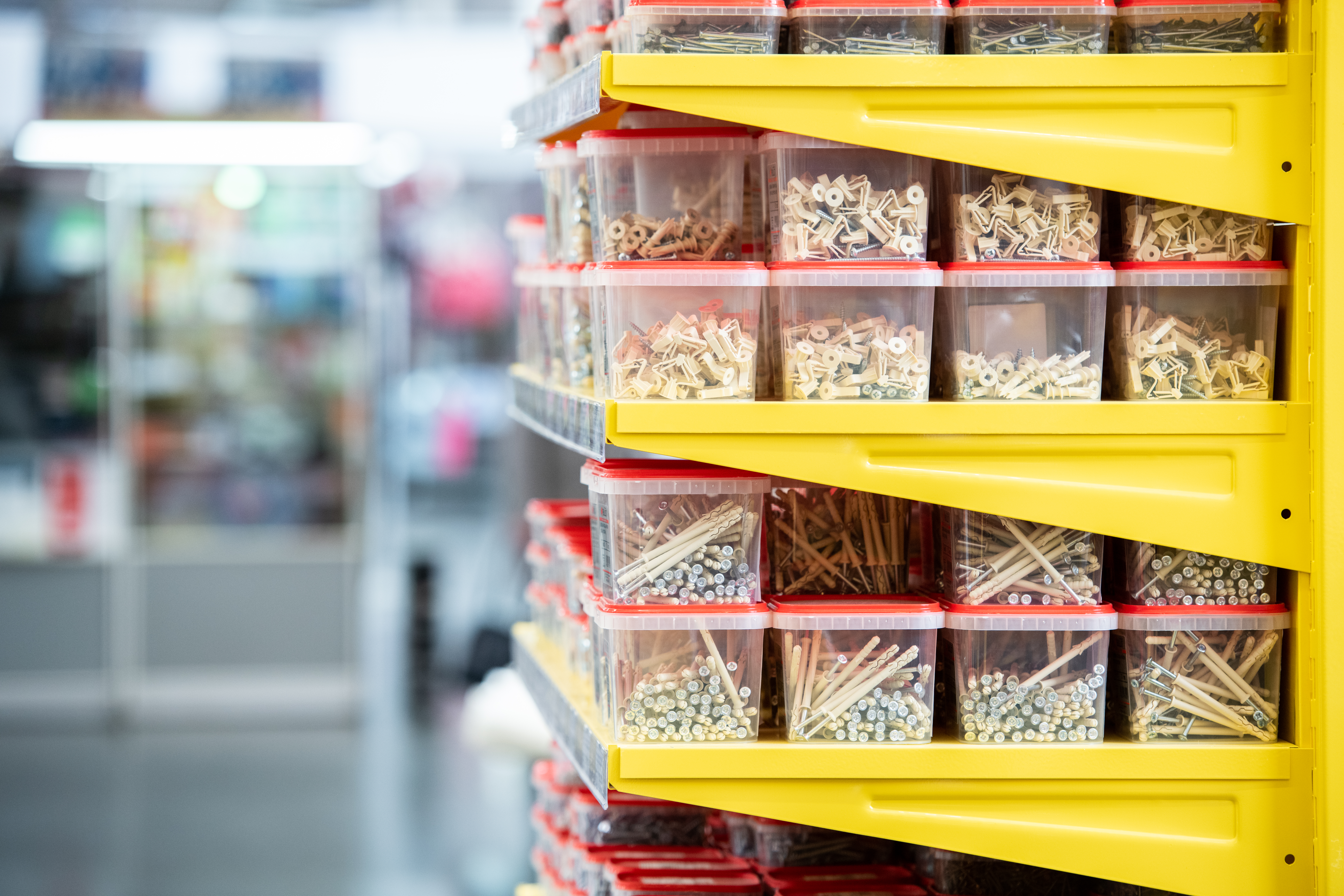
If you want a simple rule-of-thumb kit for each pump family/model you use, build it like this:
• 1 complete wet kit (diaphragms + check valves + all wetted O-rings/gaskets).
• 1 complete air kit / ADS kit (air valve/spool and all seals).
• 1 spare muffler/exhaust element and the most common air-side seals.
• 2 extra diaphragm sets for high-wear fluids (abrasives, temperature swings, aggressive chemicals).
• 2 extra check valve sets for solids/debris-prone services.
How to Decide Quantities (Without Overbuying)
Quantities should match risk, not guesswork. Use these drivers to set the right stocking level:
• Criticality: pumps that stop production or create safety risk should have at least one complete rebuild set on the shelf.
• Population: standardize on fewer models so one kit covers multiple pumps.
• Lead time: longer lead time = higher stocking level.
• Service severity: abrasives, temperature swings, or harsh chemistry = more diaphragm and valve sets.
• Maintenance model: if you rebuild in-house, stock full kits; if you swap pumps, stock a ready-to-install spare pump and rebuild offline.
Stocking spare parts only pays off if those parts perform when you need them. Generic or aftermarket components may look like a cost-effective option on the shelf, but dimensional inconsistencies and material differences can turn a quick repair into a recurring problem. Genuine parts are engineered to match your pump's exact specifications, so when a diaphragm tears or a valve seat wears out, you can swap it in with confidence and get back to full performance without second-guessing the fix. Build your maintenance inventory with the right components from our genuine parts page.
Standardize Materials to Reduce Spare Complexity
The fastest way to reduce inventory without increasing downtime is to standardize. If the plant uses ten different diaphragm materials across similar applications, spares become fragmented and mistakes increase. Instead, standardize on a small set of proven wetted-material combinations for your most common chemicals and temperature ranges.
If your applications are severe, reliability-focused diaphragm designs can reduce repeat rebuild cycles. For example, Chem-Fuse™ diaphragms are available here: Chem-Fuse™ diaphragms.
Tools and Documentation That Make Rebuilds Faster
Parts alone don’t guarantee fast maintenance, tools and documentation do. To reduce rebuild time and rework, keep:
• The correct IOM/manual for each pump model (torque specs, assembly order, gasket placement).
• A dedicated rebuild tool set (torque wrench, hex sets, strap wrenches, picks for O-rings, clean work surface).
• A labeled parts map (photos/diagrams of what goes where).
• Maintenance videos for training and consistent procedures.
Wilden® provides maintenance videos that can speed up rebuilds: Wilden® maintenance videos. All-Flo™ documentation is also available through their manuals and FAQs: All-Flo™ manuals and All-Flo™ FAQs.
Next Steps: Identify Kits Fast and Reduce Downtime
If you’re unsure which kits match your pump model, use the Pump Finder or contact the PSG® Store team for help identifying the right repair parts.
Contributors
Rob Jack
Rob Jack is a long-tenured AODD pump technical authority with extensive field troubleshooting experience. His expertise includes the most common wet-end wear items (diaphragms and check valves) and the real-world repair parts that restore performance fastest.
Marco Bensley
Applications-focused pump professional who emphasizes the fundamentals that drive correct selection (flow, viscosity and pressure) and the outsized impact of chemical compatibility in corrosive service, especially where acids can aggressively attack materials.

3005 Highland Parkway
Suite 110
Downers Grove, IL 60515


© 2026 PSG Dover All Rights Reserved