


How to Avoid Shear Damage Through Pump Selection
Apr 10, 2026
To avoid shear damage, start by selecting a pump technology that moves the fluid gently enough to preserve its physical properties. If the fluid is shear-sensitive, the wrong pump can pull it apart, whip in air, change its texture, or alter the way it looks, tastes, or performs in the final product.
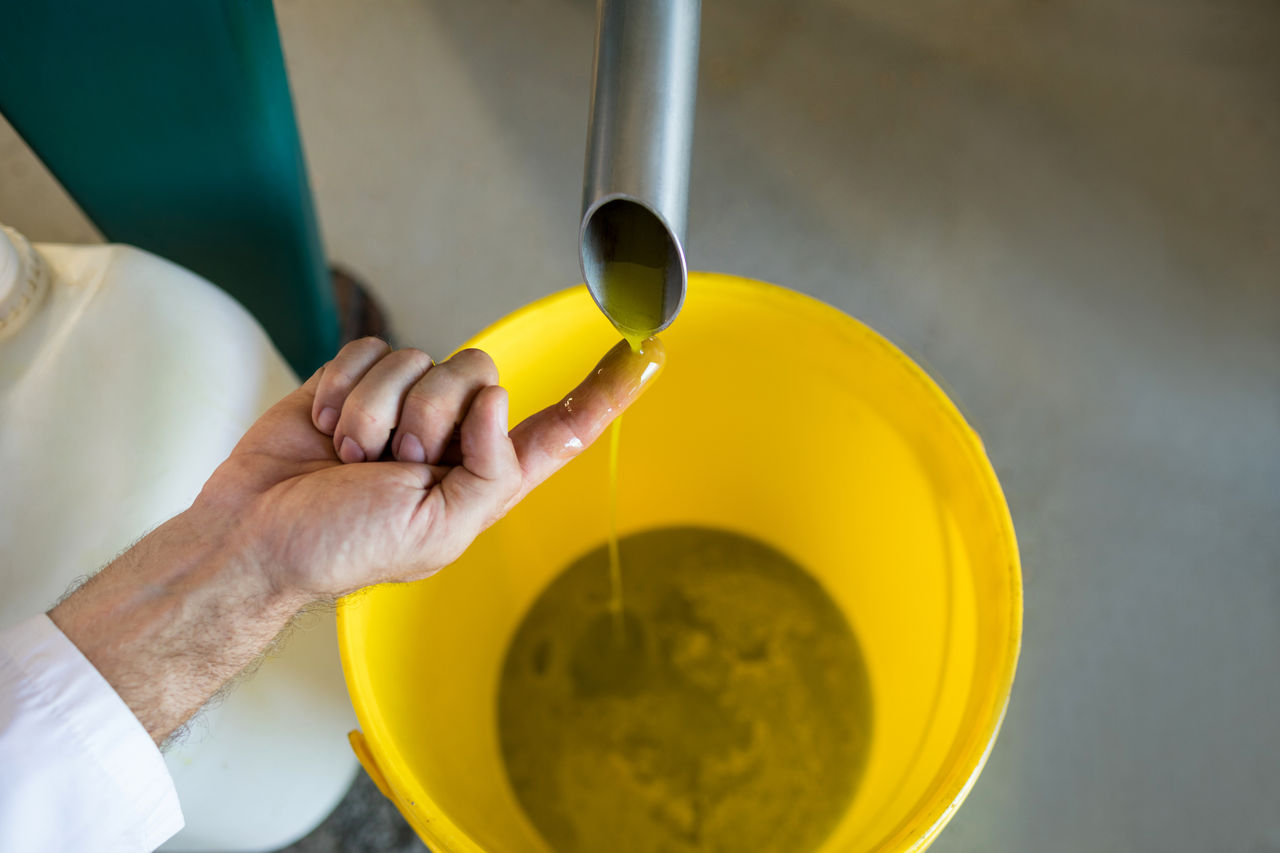
Contributors
This blog was developed using insights from PSG® subject-matter experts who support paints and coatings, food and beverage, wine, chemical, and industrial transfer applications. The guidance below reflects real-world pump selection decisions where product quality depends on minimizing shear.
Shear damage happens when the pump applies enough force to physically change the fluid as it moves through the system. In plain language, the pump is not just transferring the product - it is working the product hard enough to change it.
That matters because some fluids are designed to behave a specific way in the tank, the mixer, the package, or the final application. If the pump changes that behavior, the product can become less usable, less stable, or less valuable before it ever reaches its destination.
Why Shear Matters So Much in the Real World
Shear is not just a technical lab concept. It shows up in everyday process problems. In the field, shear-sensitive fluids can thicken, thin out, separate, become lumpy, lose consistency, or trap more air than they should after pumping.
That can mean a coating that no longer lays down correctly, an adhesive that changes performance, a food product that loses texture, or a beverage that takes on more air and changes taste or appearance.
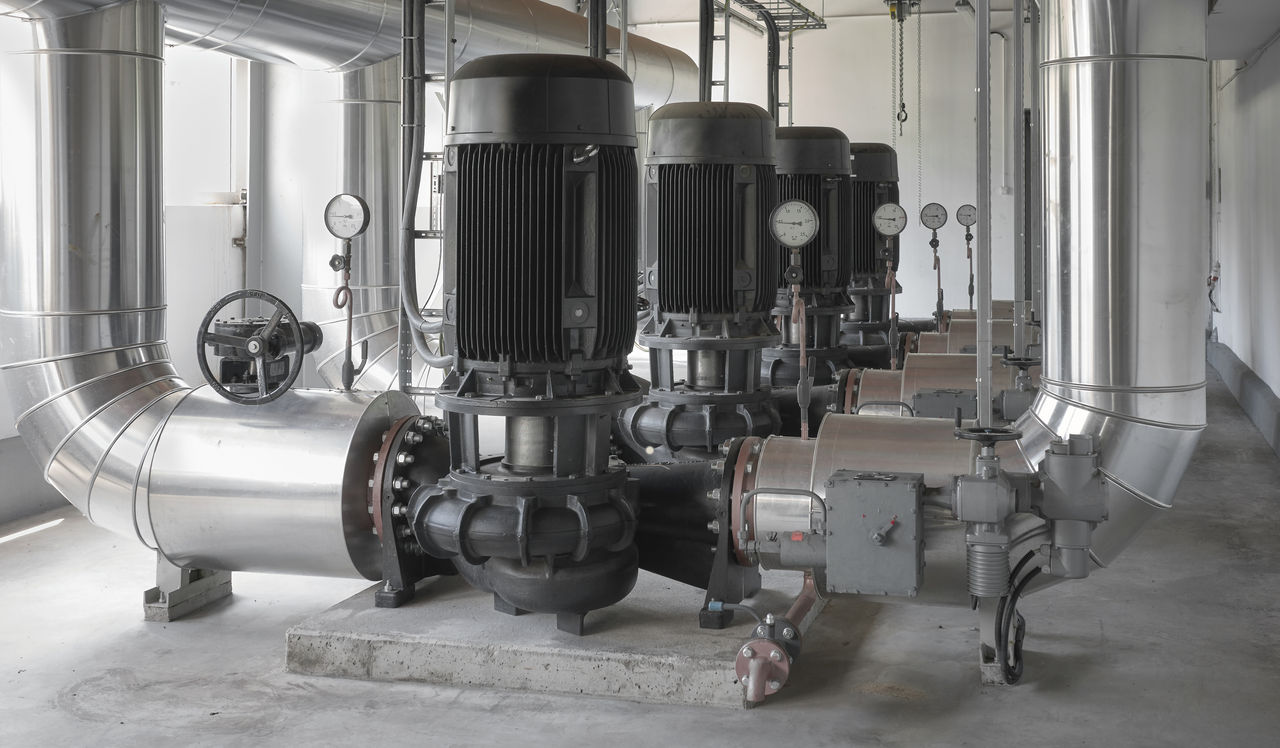
Common Signs That the Pump Is Damaging the Product
If the wrong pump is creating shear, the warning signs are usually product changes first and pump problems second:
• The fluid looks different after transfer (more foam, more aeration, visible separation, or visible clumping).
• The fluid behaves differently after transfer (thinner, thicker, or harder to process downstream).
• The finished product loses consistency from batch to batch even when the formula did not change.
• Operators slow the pump down to "make the product behave" because full-speed transfer causes quality issues.
• The product works fine in the source tank but not in the receiving tank after pumping.
Start With the Fluid, Not the Pump
The fastest way to avoid shear damage is to ask the right question first: how sensitive is the product to being moved? That sounds simple, but it changes the entire selection process.
Before choosing a pump, define the fluid in practical terms:
• Does the fluid change if it is whipped, agitated, or exposed to excess oxygen?
• Does it contain solids, pigments, fibers, proteins, emulsions, or other structures that can break down?
• Does viscosity change significantly under force or speed?
• Is the product value tied to appearance, texture, taste, or application performance?
• Will the pump be handling the product during a sensitive step like blending, finishing, packaging, or dosing?
Operating a pump outside its ideal parameters, whether through excessive speed, improper sizing, or worn internal clearances, increases shear forces and accelerates damage to sensitive fluids. Maintaining tight tolerances with genuine replacement components helps preserve low-shear performance and protects product integrity over the life of the pump. Browse our full selection on our genuine parts page.
The Most Important Selection Rule: Process Step Changes the Right Answer
One of the biggest mistakes in pump selection is assuming the same pump should be used everywhere in the process. In real plants, the right pump often changes depending on where you are in the line.
For example, a higher-volume step may call for one technology, while final blending, packaging, or gentle recirculation may call for another because product handling becomes more important than raw throughput.
When AODD Pumps Are a Good Low-Shear Choice
AODD pumps are a common answer for shear-sensitive service because they do not rely on tight clearances or fast-moving rotating elements that can work the fluid aggressively. That makes them a strong fit when the product needs gentler transfer and the process benefits from simple maintenance, self-priming, or flexible operation.
PSG® highlights this directly in multiple markets. Wilden® notes that its AODD pumps are a strong option for minimizing shear damage in brewing and wine, chemical transfer and paints and coatings because they do not have the tight clearances or high-speed pumping elements that often create excess shear in other pump types.
In practice, AODD pumps are often favored at the end of the process - during final transfer, packaging, drum filling, or gentle recirculation - where preserving product condition matters as much as moving volume.
When Another Pump Technology May Be Better
Low shear does not automatically mean "always use an AODD pump." The right answer still depends on flow and the process step. There are applications where another pump is a better low-shear choice.
For example, in higher-volume paints and coatings duty, a gear pump may be selected because it can deliver the required flow while still minimizing shear better than a centrifugal pump in that part of the process. In other shear-sensitive applications, vane pumps or progressive cavity pumps may be the better fit depending on how the fluid responds to speed and slip.
The key point is that shear-sensitive service is not one technology - it is a selection strategy built around protecting the product.
Why Centrifugal Pumps Can Be the Wrong Choice for Sensitive Fluids
Centrifugal pumps are widely used and can be the right answer in many services, but they are not always the best choice for shear-sensitive fluids. That is because they move fluid by adding velocity and then converting that velocity into pressure, which can work the fluid harder than gentler positive-displacement technologies.
That does not make centrifugal pumps "bad." It just means they are often better suited for water-like utilities, flushing, cleaning, or process steps where the product is not especially shear-sensitive.
In some paint and pigment-heavy processes, centrifugal pumps still make sense for flushing lines or for abrasive utility service. But if the real problem is preserving the product itself, they are often not the first place to start.
Mouvex® as a Low-Shear Option for Sensitive, Higher-Value Fluids
If the application demands especially gentle, consistent flow, eccentric disc technology can become a strong option. Mouvex® seal-less eccentric disc pumps are designed around low-shear, pulse-free transfer and are often considered when product quality and recovery are major priorities.
PSG® describes Mouvex® eccentric disc pumps as providing extremely gentle, pulse-free flow for shear-sensitive products on the Mouvex® overview page, the eccentric disc pump technology page and product pages such as C-Series.
This kind of technology often enters the conversation when the fluid is air-sensitive, premium, or expensive enough that reducing pulsation, slip, and product disturbance is worth the additional investment.
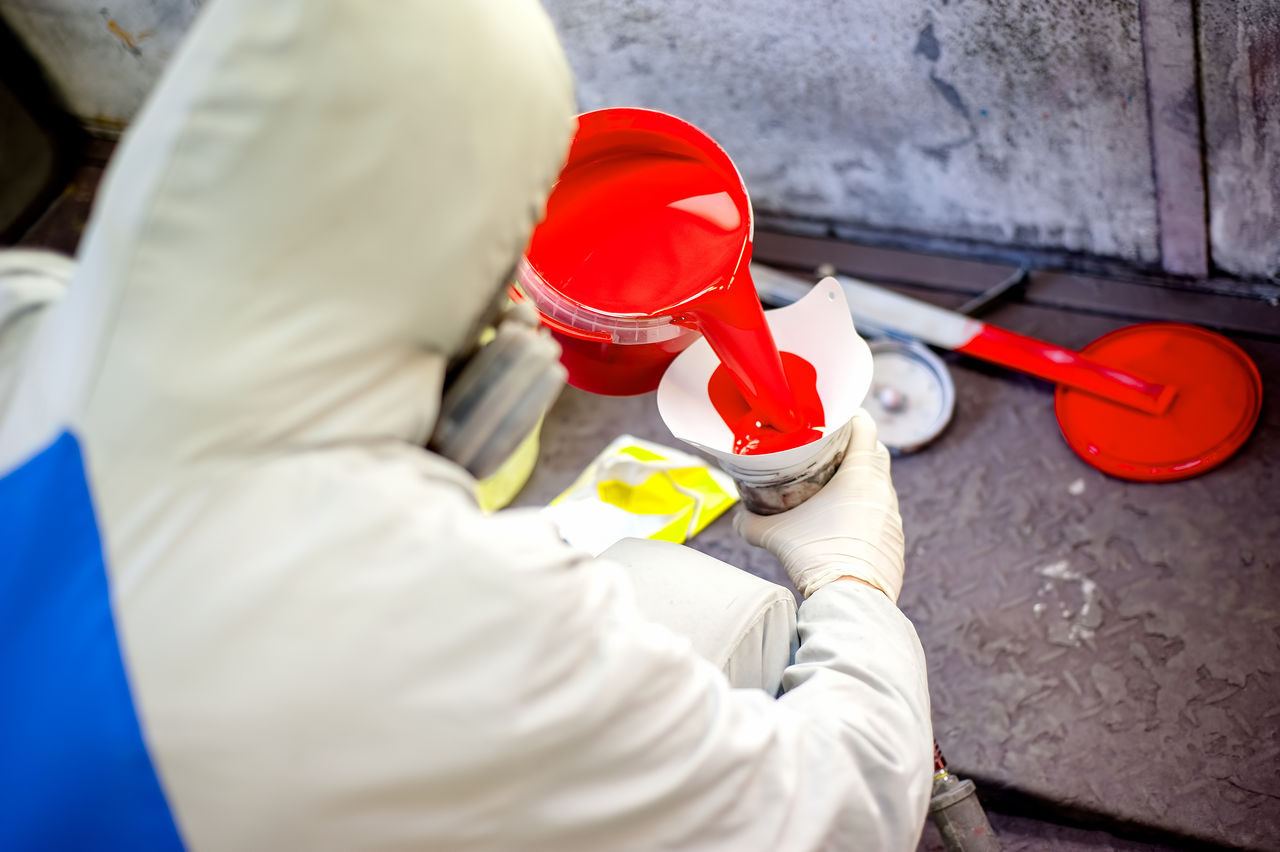
Flow Rate Still Matters (Do Not Protect the Product but Miss the Output)
A pump that protects the fluid but cannot meet the required flow is still the wrong pump. That is why the best shear-damage strategy always balances gentle handling with the actual throughput requirement.
This is where many real-world selections split by process step. Lower-flow finishing or packaging may favor a gentler diaphragm pump, while a larger-volume transfer step may require a different technology that still keeps shear as low as the process allows.
Speed Is Often as Important as Pump Type
Avoiding shear is not only about choosing the right technology. It is also about how hard you run it. Even a pump that is generally considered shear-friendly can damage the product if it is operated too fast for the fluid.
That is why low-shear applications are often designed around controlled speed, larger pump sizes run more slowly, and piping layouts that do not force the product through unnecessary restrictions.
If the product becomes unstable only at higher speed, that is often a clue that the technology may still be acceptable - but the operating point is not.
Simple Application Examples Where Shear Drives the Choice
A few common examples make the selection logic easier to explain:
• Paints and coatings: the product can be shear-sensitive, so the wrong pump can degrade finish quality or destabilize the formulation.
• Wine and beverages: gentler handling helps reduce excess aeration, which can affect taste, smell, and appearance.
• Adhesives and sealants: excessive shear can change how the material applies or performs downstream.
• Food and personal care products: texture, consistency, and appearance can all suffer if the fluid is worked too aggressively.
A Simple Selection Checklist for Avoiding Shear Damage
Before approving a pump, use this checklist:
• Confirm whether the fluid is shear-sensitive in practice, not just in theory.
• Define where the pump sits in the process (bulk transfer, blending, finishing, packaging, cleaning, etc.).
• Match the technology to both product sensitivity and required flow rate.
• Avoid assuming the highest-flow pump is the best pump if it damages the product.
• Review whether operating speed can be reduced to protect the fluid.
• Check for piping restrictions that may add extra stress even if the pump itself is gentle.
• If product quality is critical, choose the operating point and technology that preserve the product first, then scale around that.
The Simplest Rule of Thumb
If the fluid changes when you move it, the pump is part of the product-quality equation. That means the correct selection is not just about moving the liquid - it is about moving the liquid without changing what makes it useful.
The best low-shear pump is the one that meets the duty while leaving the product as close as possible to the way it started.
Next Steps: Narrow the Options Faster
If you need help narrowing down which pump technology is most likely to protect a shear-sensitive fluid, start with the Pump Finder or contact the PSG® Store team to review the application in more detail.
You can also browse AODD pump options by brand: Shop Wilden® and Shop All-Flo™.
Contributors
Nick Watt
Nick Watt works across positive-displacement pump technologies and regularly explains shear in practical terms - not as a theory problem, but as a product-quality problem. His selection approach emphasizes the pump's ability to move fluid without changing the fluid's physical properties as it passes through the system.

3005 Highland Parkway
Suite 110
Downers Grove, IL 60515


© 2026 PSG Dover All Rights Reserved