


How to Use an AODD Pump to Increase Your Flow Rate?
Apr 10, 2026
If your system isn’t delivering the flow rate you expected, the first instinct is often to install a larger pump.
In many cases, however, increasing flow with an Air-Operated Double Diaphragm (AODD) pump is less about pump size, and more about understanding the system.
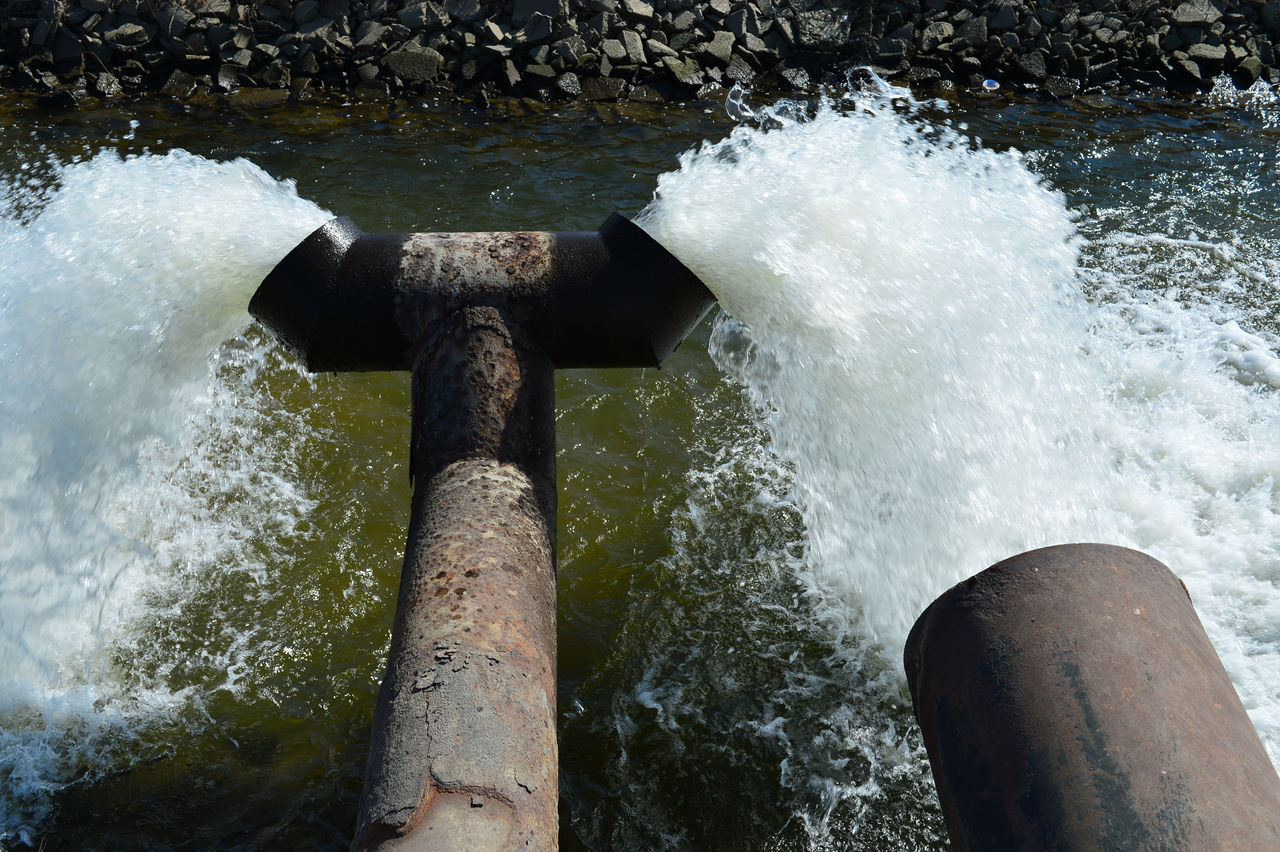
AODD pumps are widely used across industries because of their versatility, dry-run capability and ability to handle solids and shear-sensitive fluids. But they are air-powered machines. If the air system, suction conditions or discharge piping are limiting performance, upgrading the pump alone may not solve the issue.
Step 1: Verify That Air Supply Is Not the Limiting Factor
An AODD pump converts compressed air into fluid movement. Without sufficient air flow (CFM), the pump cannot achieve its rated capacity.
Many systems are supplied with adequate air pressure (PSI), but insufficient air volume (CFM). Pressure pushes, volume moves.
If your compressor or air lines are undersized:
The pump may stall under load
The flow may plateau well below the expected output
Increasing pump size may have little effect
Before upgrading to a larger AODD pump, confirm:
Compressor CFM rating
Air regulator settings
Hose diameter and length
Quick-connect fittings that may restrict flow
A larger pump will require significantly more air. If the air system cannot support it, performance will not increase proportionally.
Step 2: Evaluate Suction Conditions
AODD pumps are self-priming, but they are not immune to suction-side limitations.
Long suction runs, undersized inlet piping or high-viscosity fluids can reduce achievable flow.
To improve flow:
Increase the inlet pipe diameter
Shorten the suction run where possible
Reduce restrictive fittings
Ensure an adequate fluid level above the pump
Friction losses on the suction side often limit flow before the pump itself does.
Step 3: Confirm You Are Operating at the Correct Discharge Pressure
AODD pump curves show flow decreasing as discharge pressure increases.
If downstream components, such as filters, valves or long discharge runs, create high backpressure, your pump will operate further left on the curve.
Consider:
Filter condition (clogging increases backpressure)
Valve positioning
Pipe sizing on the discharge side
Elevation changes
Sometimes, improving discharge efficiency increases flow more effectively than changing pumps.
Fluctuating air supply, changing viscosity and continuous cycling gradually wear internal components in AODD pumps. Replacing worn parts with genuine components restores flow performance, maintains self-priming capability and reduces the risk of unexpected downtime.
Step 4: Determine If Pump Size Is the Appropriate Upgrade
If air supply, suction conditions and discharge restrictions are optimized, increasing pump size may be appropriate.
Larger AODD pumps from Wilden® and All-Flo™ can significantly increase theoretical flow, provided the system can support them.
When upsizing:
Confirm available air capacity
Verify structural support for increased weight
Review connection compatibility
Evaluate pulse dampening needs
Keep in mind that increases in flow rate are not always linear. Doubling pump size does not guarantee doubling system flow if other bottlenecks remain.
Step 5: Consider Fluid Properties
Fluid characteristics directly affect flow rate.
High-viscosity fluids require more energy to move. Abrasive slurries may require slower speeds to prevent premature wear. Shear-sensitive materials may limit maximum stroke speed.
Before changing pumps, confirm:
Fluid viscosity at operating temperature
Solids content
Presence of entrained air
Temperature fluctuations
An AODD pump can handle a wide range of media, but operating conditions dictate achievable performance.
When Increasing Flow May Require a Different Pump Technology
In some cases, increasing the flow rate with an AODD pump may not be the most efficient solution.
For high-volume, low-viscosity market applications with steady-state demand, centrifugal pumps may provide smoother and more energy-efficient operation.
For hydrocarbon transfer requiring high volumetric efficiency, sliding vane designs may be more appropriate.
An AODD pump is often ideal when:
Dry-run capability is required
Solids are present
Intermittent operation is expected
Chemical compatibility is complex
But it is not always the optimal solution for maximizing continuous high flow.
Common Mistakes When Trying to Increase AODD Flow
Upgrading pump size without evaluating the system often results in frustration.
Frequent oversights include:
Ignoring air supply limitations
Maintaining undersized suction piping
Overlooking discharge restrictions
Misinterpreting pump curve data
Running the pump beyond optimal stroke speed
AODD pumps are durable and forgiving, but system physics still apply.
A System-Level Approach to Increasing Flow
To effectively increase system flow rate using an AODD pump:
Confirm air supply capacity (CFM, not just PSI).
Optimize suction piping and fluid supply.
Reduce discharge restrictions.
Verify pump curve alignment with operating conditions.
Upsize only after system bottlenecks are addressed.
When properly supported, AODD pumps can deliver substantial and reliable flow increases. The key is ensuring the entire system is engineered to support that increase.
Need Help Selecting the Right AODD Pump?
Finding the right pump starts with understanding your application. The Pump Finder tool walks you through a short series of questions to narrow down the best pump for your needs. If you require further assistance evaluating specific performance requirements, contact the PSG® Store team for support.
Contributors
Rob Jack
Rob Jack has decades of experience in Air-Operated Double Diaphragm pump design and application engineering. His expertise includes troubleshooting, diaphragm performance analysis and real-world failure diagnosis across chemical, coatings and industrial markets.
Nick Watt
Nick Watt specializes in AODD pump applications and system optimization. His experience includes flow troubleshooting, air system evaluation and pump selection for demanding industrial environments.

3005 Highland Parkway
Suite 110
Downers Grove, IL 60515


© 2026 PSG Dover All Rights Reserved